Automely — AI
Mobile App Developers
Frontend Developers
Backend Developers
E-commerce & CMS Developers
Support & Operations
THE AUTOMELY BLOG

Technical Writing on AI, Automation & Software

Articles written by Automely's developers on the technologies we use in production — LangChain and LLM integration, n8n and Make workflow automation, React Native and Next.js, Node.js and NestJS backend architecture, and software engineering practice. Not trend pieces — technical content from engineers who have built what they are writing about.

Browse by category below or read our most recent articles.

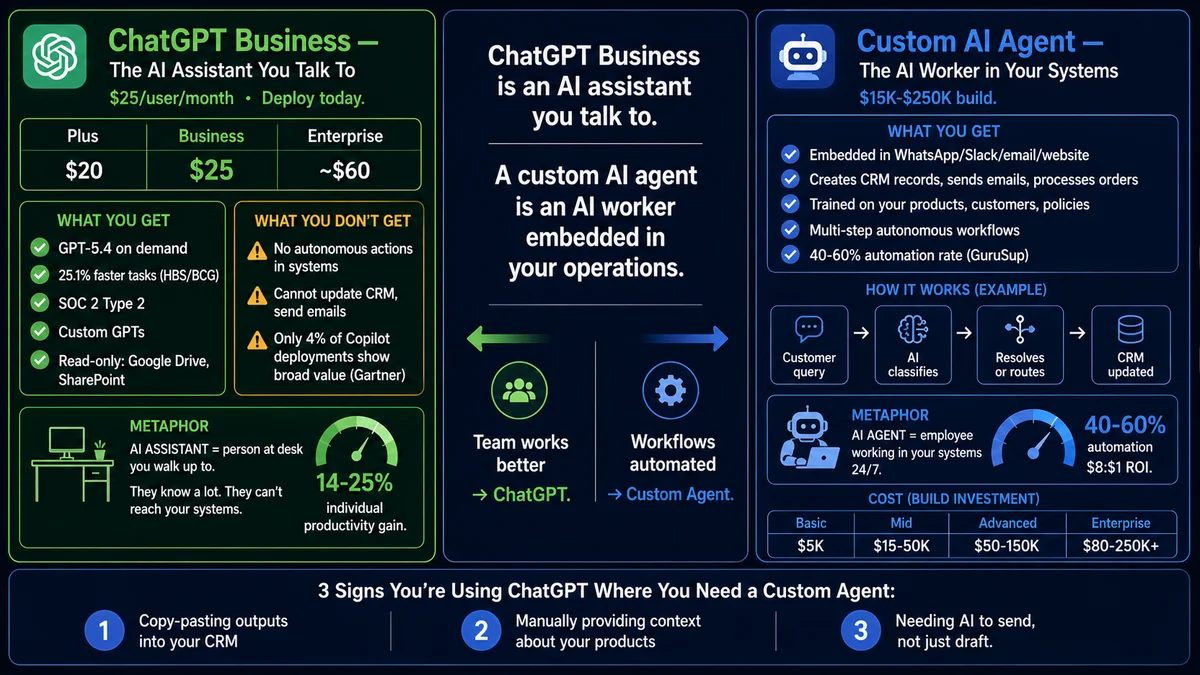
OpenAI API vs Custom AI Development: Which One Is Right for Your Business?

Latest

AI Development

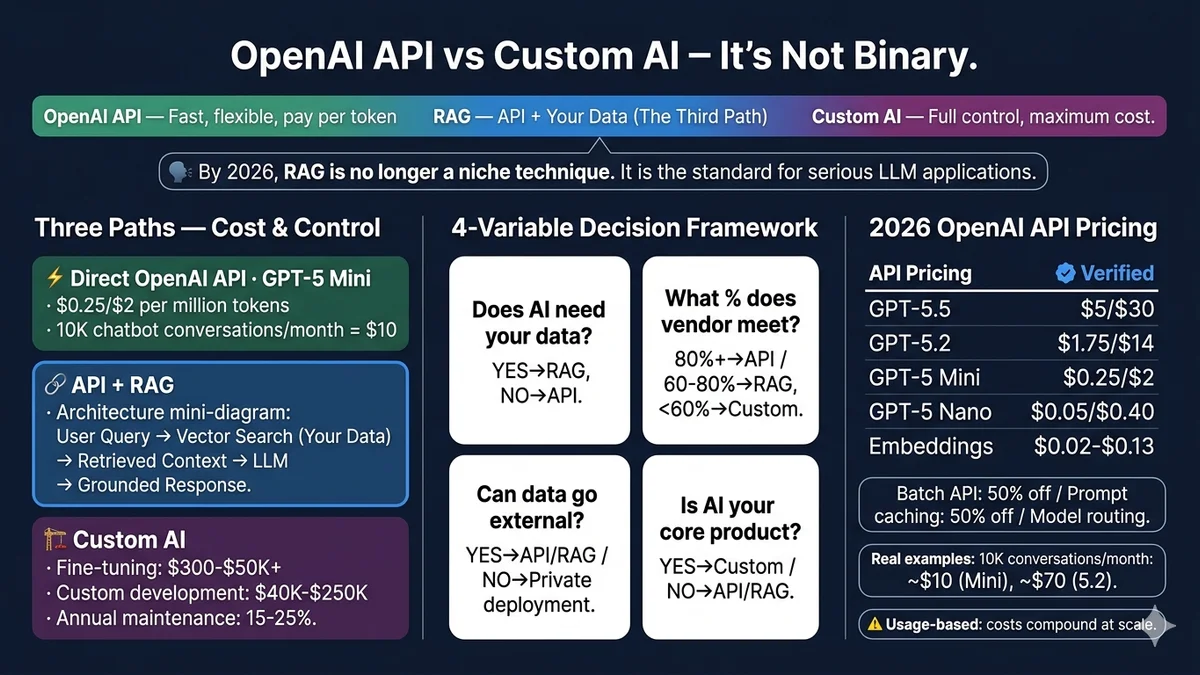
OpenAI API vs Custom AI Development: Which One Is Right for Your Business?

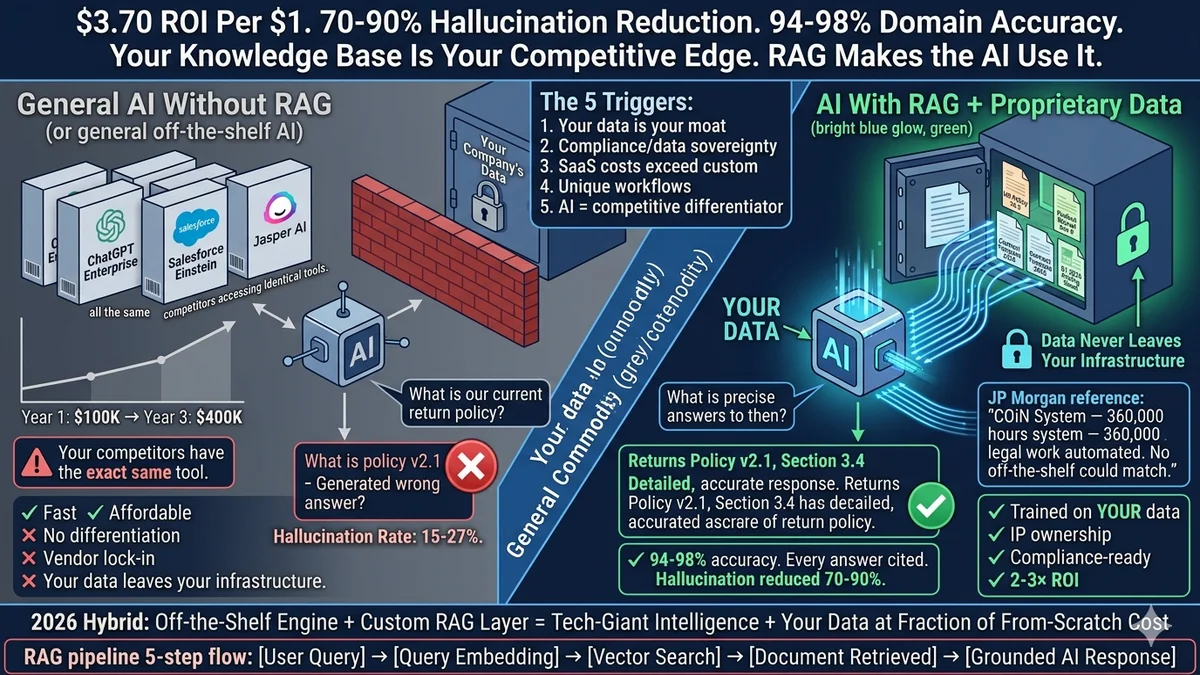
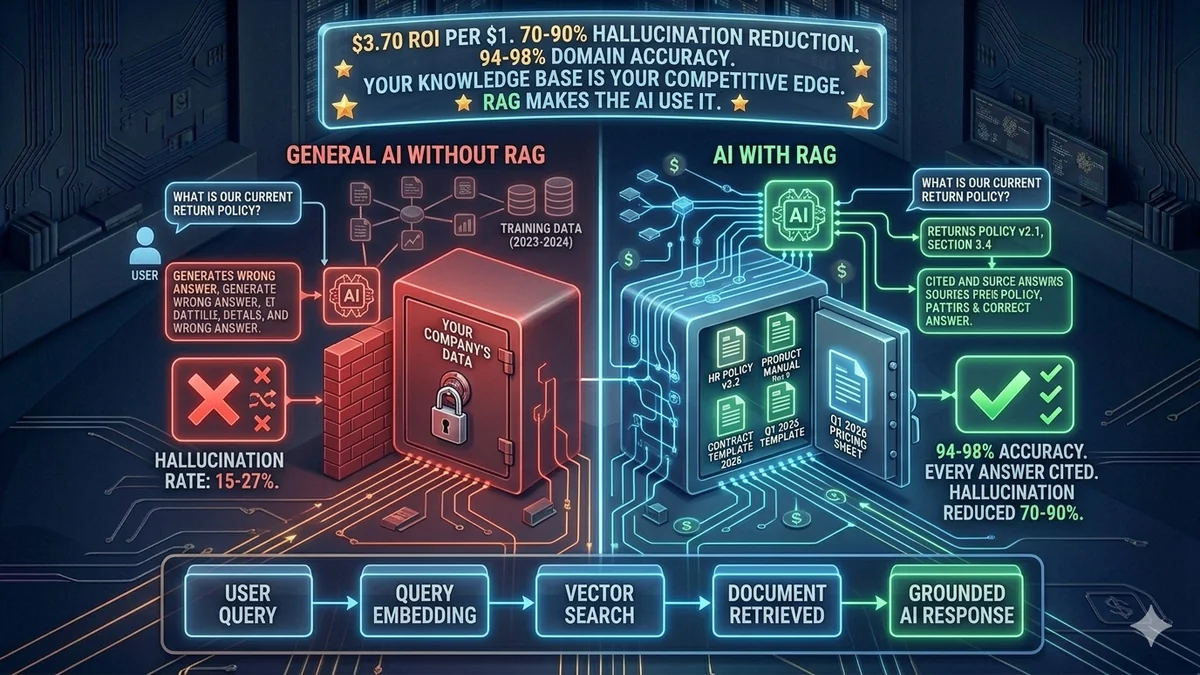
OpenAI API vs custom AI in 2026 — three real paths, GPT-5 pricing, RAG as the right answer for most businesses, and a 4-variable decision framework.

Hamid Khan

·

May 20, 2026

·

14 min read

Read Article

AI Chatbot vs Human Support: The Honest Comparison Every Business Needs to Read

AI Chatbot Development

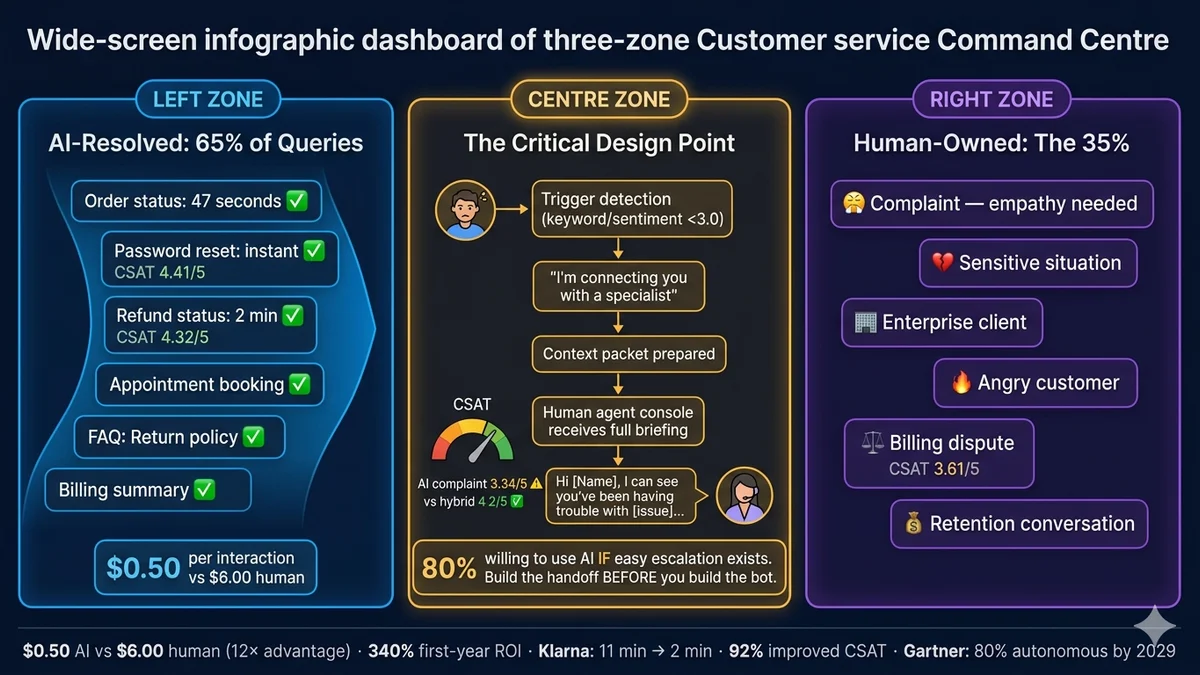
AI Chatbot vs Human Support: The Honest Comparison Every Business Needs to Read

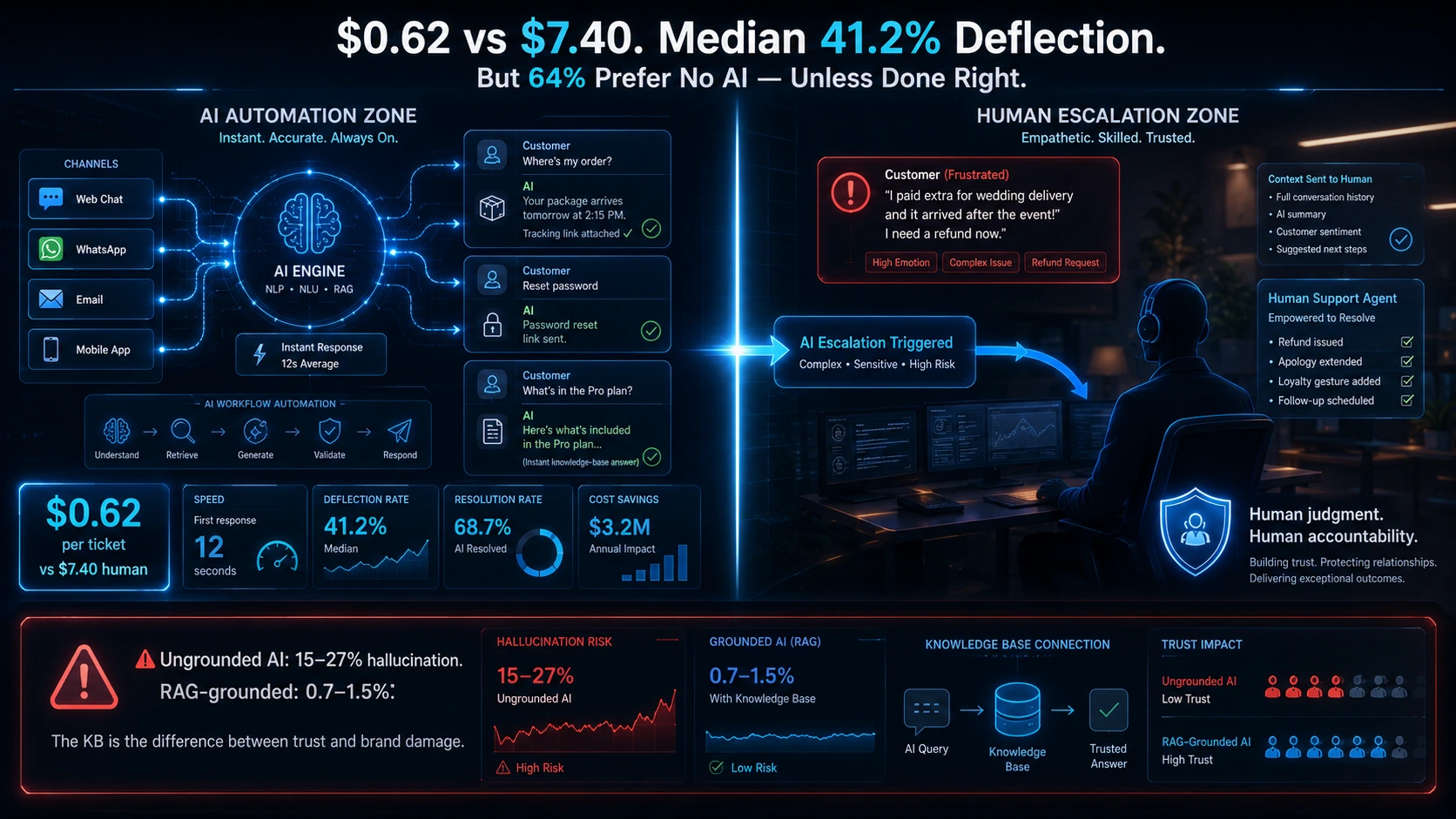
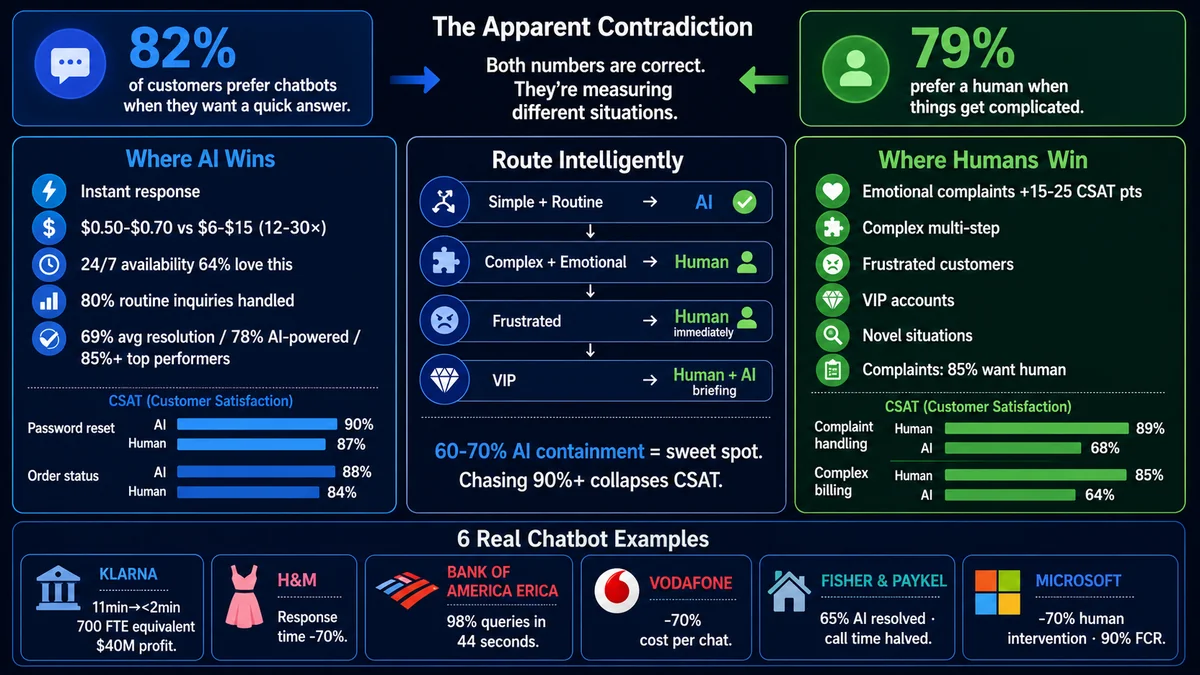
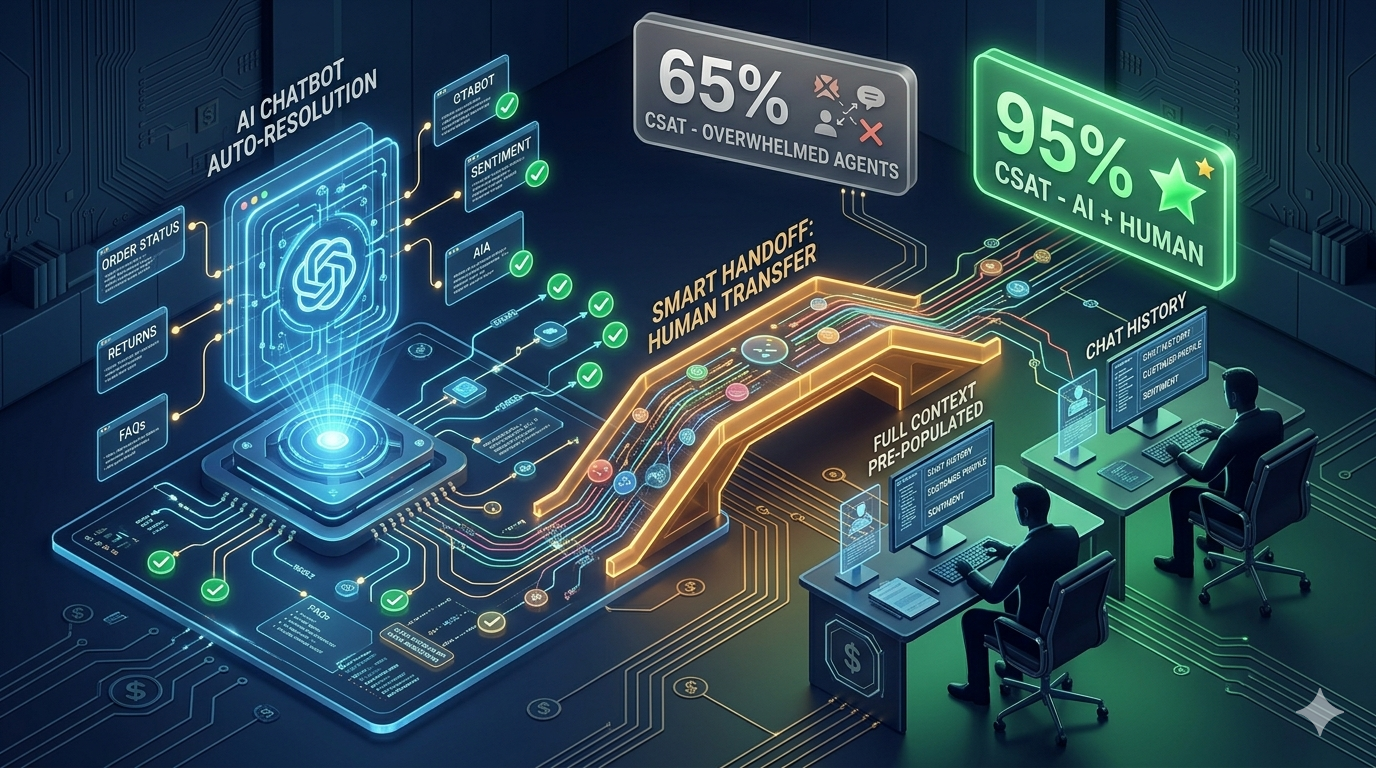
82% of customers prefer chatbots when they want a quick answer. 79% of Americans prefer humans when things get complicated. Both numbers are accurate — they are measuring different situations, and the businesses that understand this distinction are the ones delivering the highest CSAT at the lowest cost. The complete data-driven comparison of AI chatbots vs human support in 2026: the cost gap (AI $0.50-$0.70 vs human $6-$15 per interaction — 12-30× cheaper, $80B in projected Gartner contact-center savings by 2026), the consumer sentiment data on both sides (62% prefer chatbots for simple questions vs 89% who want a human option always available), where AI chatbots win (routine high-volume queries, 24/7 coverage, simultaneous high volume, first-response triage, consistent information delivery), where human agents win (emotional complaints by 15-25 CSAT points, complex multi-step issues, VIP relationships, novel situations, accountability decisions), the full CSAT-by-interaction-type table (chatbots win on password reset ~90% vs 87%, order status ~88% vs 84%, FAQ ~85% vs 83%; humans win on complex billing disputes ~60% vs 84%, complaint handling 55-65% vs 85-90%, emotional escalation ~48% vs 88%), six verified chatbot examples with measured results (Klarna $40M profit improvement and 700-FTE workload, H&M -70% response time, Bank of America Erica 98% in 44 seconds, Vodafone -70% cost per chat, Fisher & Paykel 65% resolved without humans, Microsoft 90% first-call resolution), the five common failure modes that damage CSAT (looping without resolution, blocking human access, context loss at handoff, chasing 90%+ containment, undisclosed AI), and the four-tier routing framework (AI for low-complexity routine queries, AI-gather-then-human for complex but neutral, human for high-complexity/high-emotion/high-value, human-always for explicit human requests and legal/compliance/compensation decisions) for deciding which interactions go to AI and which go to humans.

Hamid Khan

·

May 20, 2026

·

14 min read

Upwork AI Developer vs Specialist Agency: The Real Cost Comparison in 2026

AI Development

Upwork AI Developer vs Specialist Agency: The Real Cost Comparison in 2026

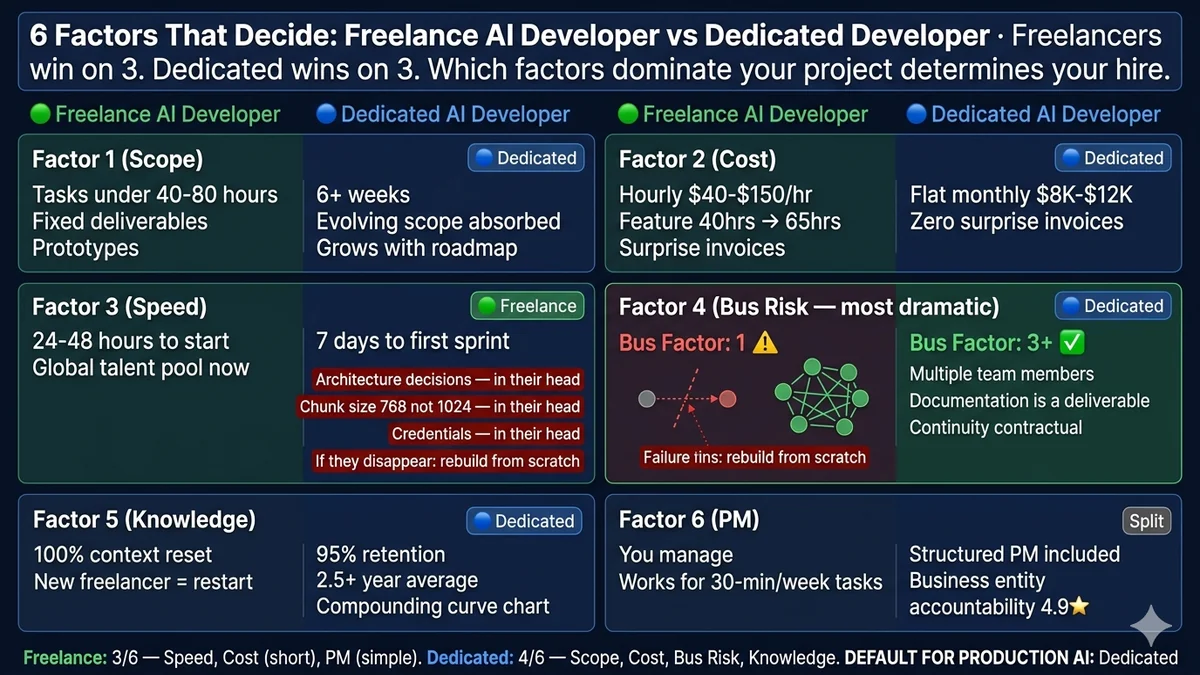
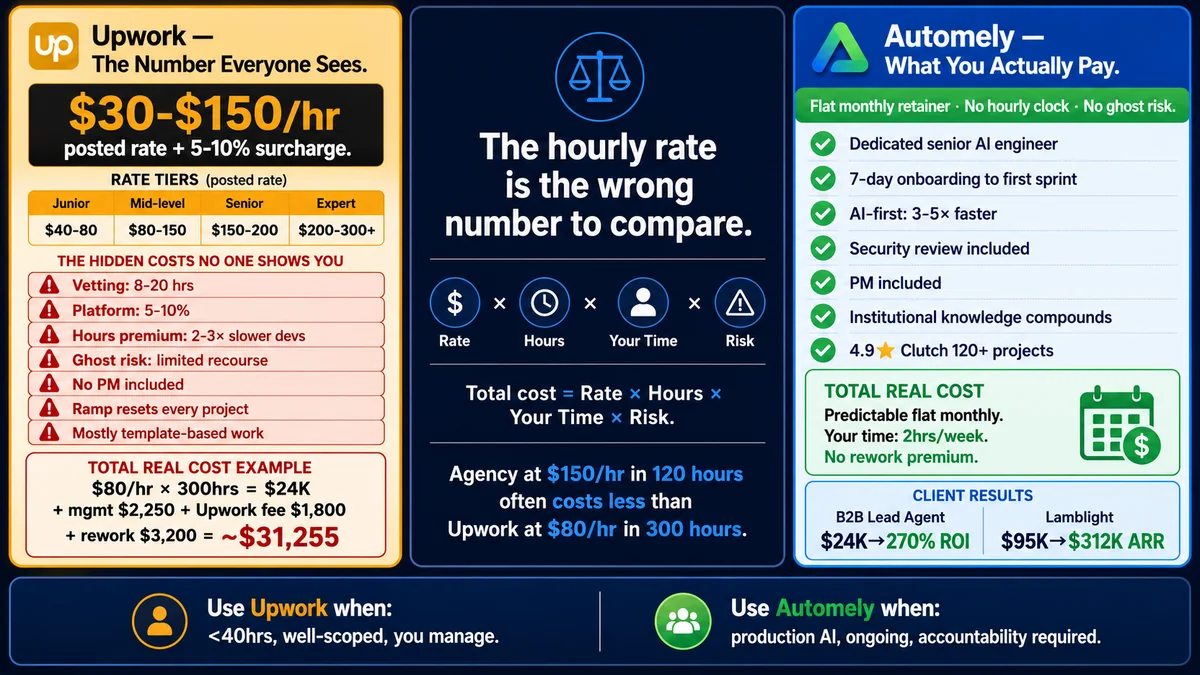
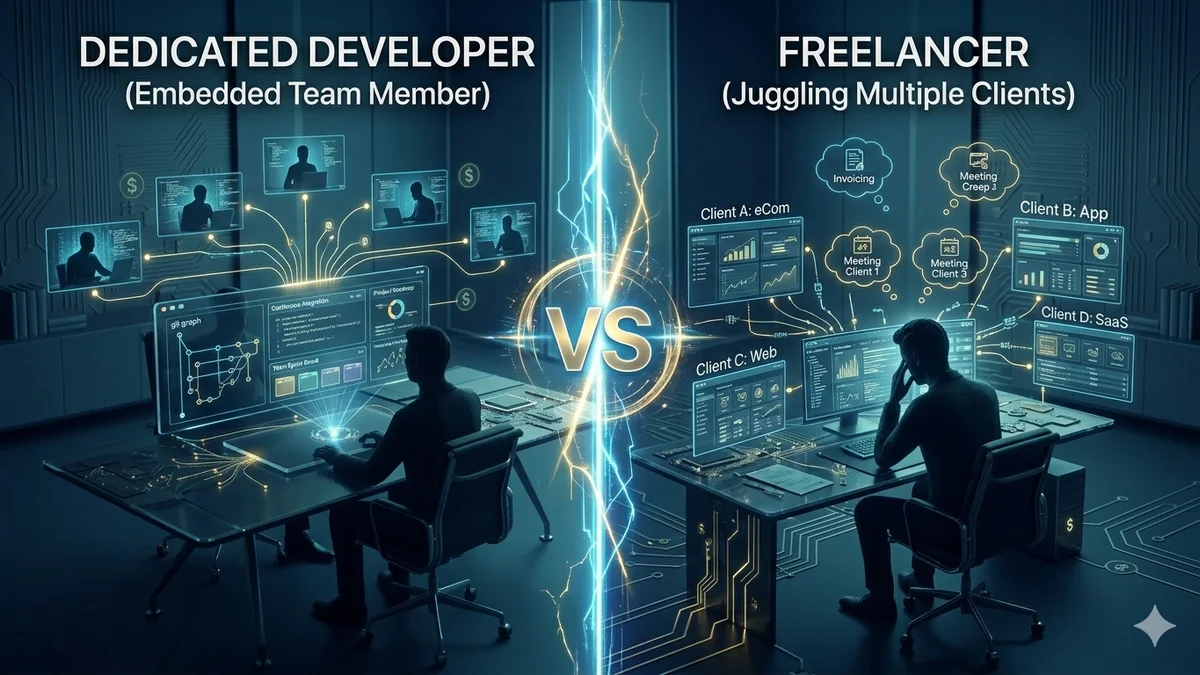
AI developers on Upwork generally charge $30-$150/hr. A specialist agency quotes $150-$250/hr. On the headline rate, Upwork is cheaper by 2-4×. On total cost — the comparison that actually matters — Upwork frequently loses. The headline rate is one variable in a five-variable equation: the hours actually billed (which varies enormously based on developer quality and project scoping), your own management overhead (8-20 hours per hire on vetting, 36-60 hours on a 3-month project on management), the 5-10% Upwork platform surcharge added to every invoice, the probability and cost of rework, and the risk premium for mid-project abandonment. This guide maps all of it with verified 2026 market data: four AI developer rate tiers (Junior $40-80/hr, Mid-Level $80-120/hr, Senior $120-200/hr, Expert $200-300+/hr), the seven hidden costs of Upwork that change the calculation (vetting time $600-$3,000 per hire attempt, platform surcharge $500-$5,000+, hours premium $5,000-$15,000 from variance alone, ghost risk full replacement cost if triggered, project management 36-60 hours on a typical project, ramp cost resetting 20-40 hours per new engagement, quality variance with most Upwork AI work template-based not custom production), three real total cost scenarios (Upwork mid-level developer at $80/hr → ~$31,655; specialist agency project engagement → ~$18,750; Automely flat retainer → custom-quoted predictable), a full platform comparison across Upwork, Toptal, and Automely on nine dimensions (headline rate, true cost, vetting burden, project management, quality assurance, ghost risk, institutional knowledge, AI-first delivery model, best for), and the honest matrix for when Upwork is genuinely the better choice versus when a specialist agency or the Automely retainer eliminates the hidden costs that make Upwork's apparent savings illusory.

Hamid Khan

·

May 20, 2026

·

12 min read

Automely vs Traditional Development Agency: Why AI-First Agencies Deliver Faster

AI Development

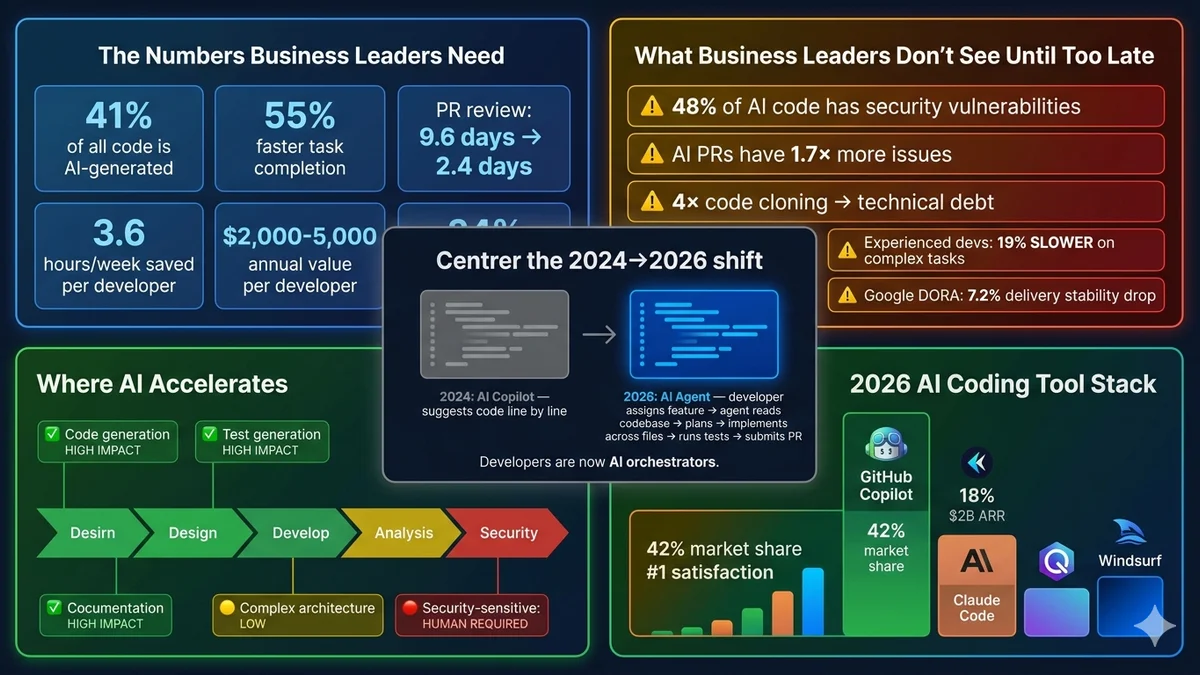
Automely vs Traditional Development Agency: Why AI-First Agencies Deliver Faster

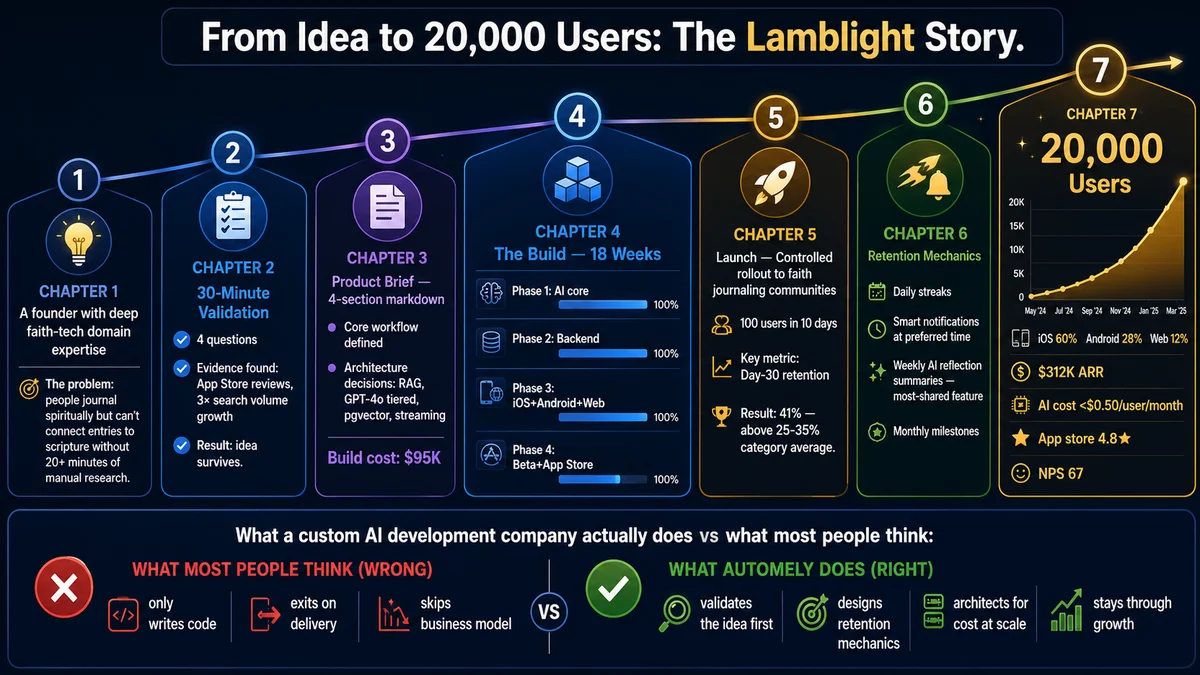
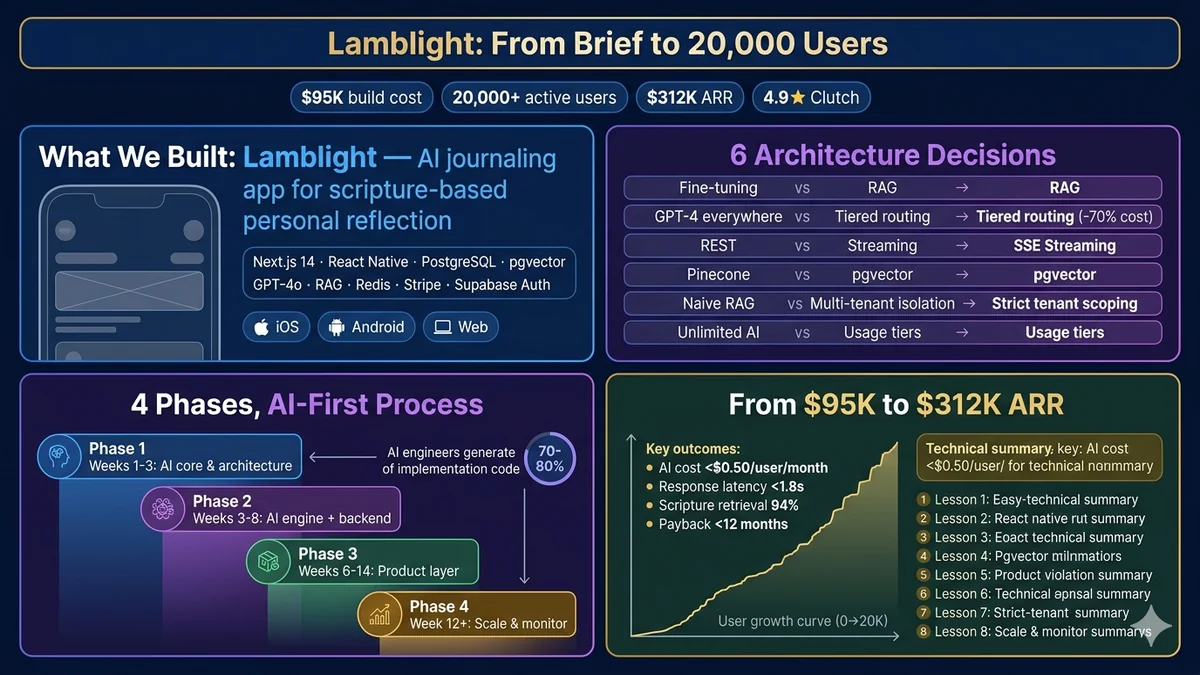
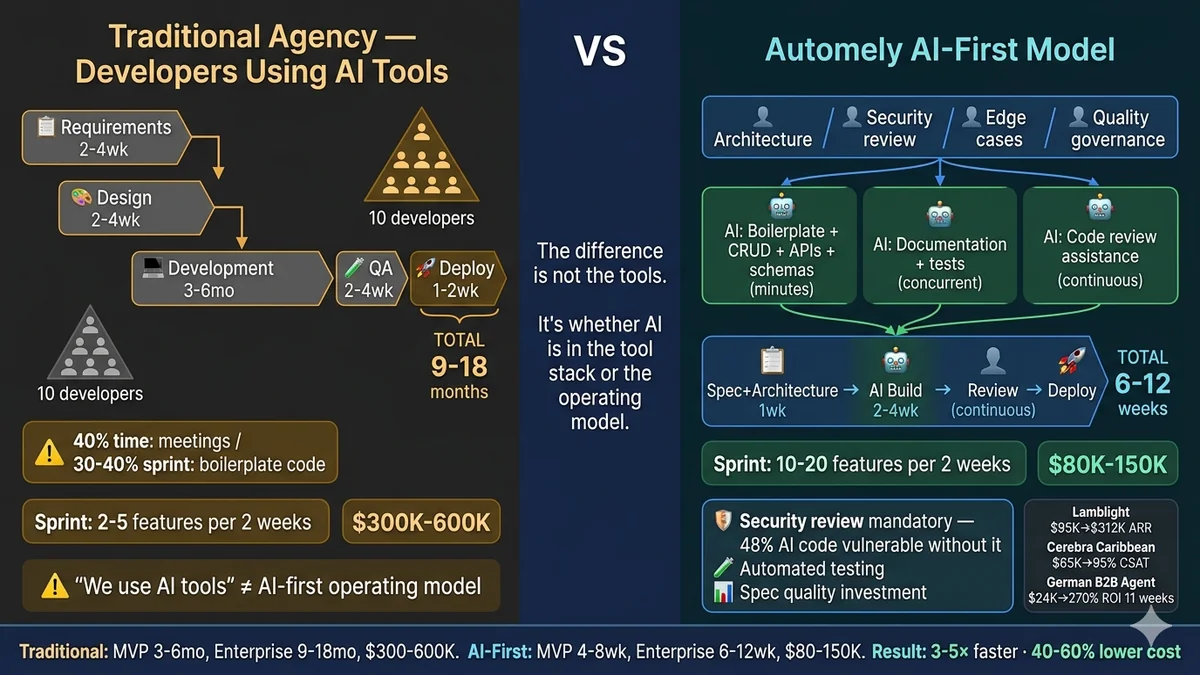
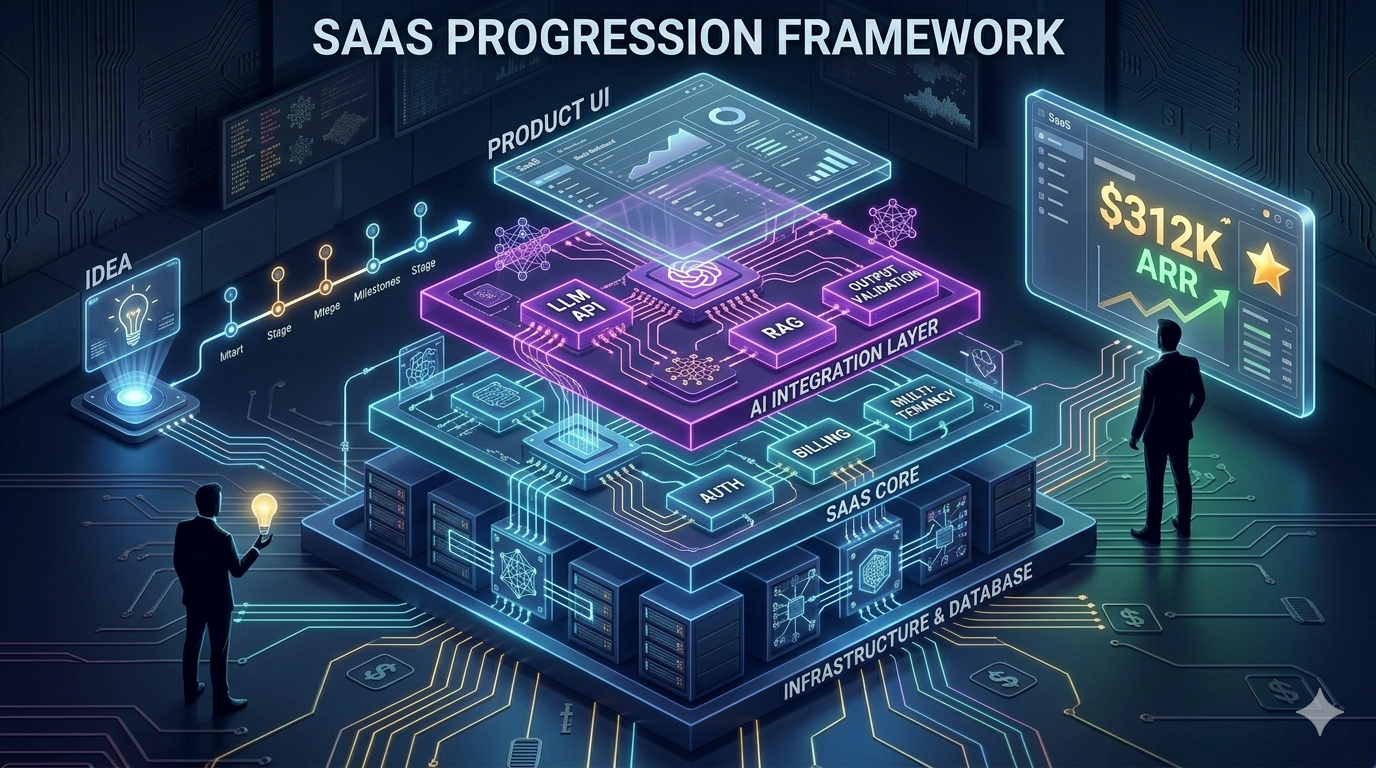
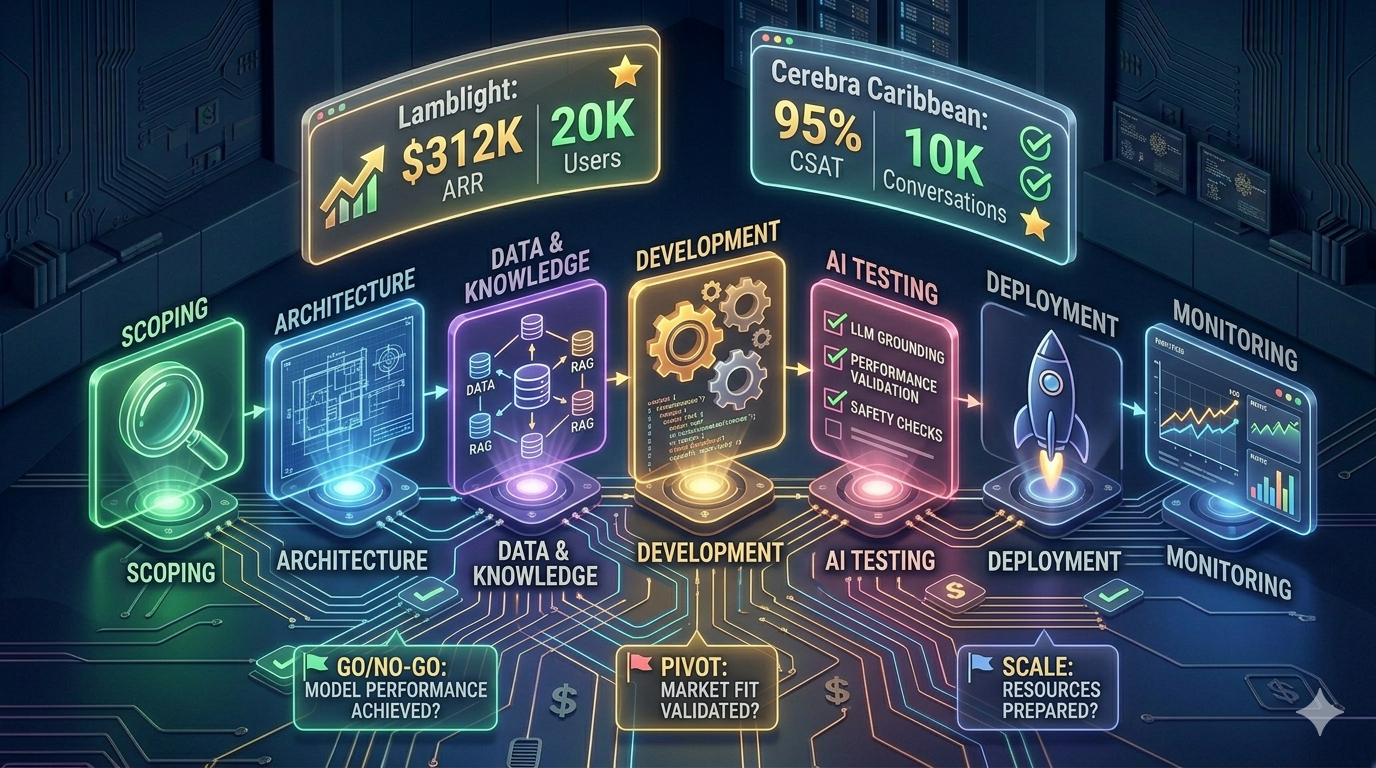
Every development agency in 2026 is 'AI-powered' — approximately as useful a differentiator as 'uses computers'. 60% of all new code is AI-generated, 84% of developers use AI tools daily, and 92% of US developers have adopted AI coding practices. The question that actually matters is not which tools an agency uses — it is how those tools are embedded in the operating model. Traditional agencies using AI tools have the same delivery process they always had (requirements → design → sprint development → QA → deploy) with developers using Copilot or Claude Code to write some code faster. The process is identical; some individual tasks are faster. An AI-first development company like Automely has redesigned the entire delivery model around AI: AI agents handle 70-80% of implementation work (boilerplate, CRUD operations, API endpoints, database schemas, standard patterns, test stubs, documentation), and senior engineers focus exclusively on architecture, edge cases, security review, and quality governance. The output, from 47 comparable projects (Groovy Web data): 3-5× faster delivery at 40-60% lower cost — MVP from 3-6 months to 4-8 weeks, enterprise applications from 9-18 months to 6-12 weeks, sprint output from 2-5 features to 10-20. This guide explains what the AI-first operating model actually looks like step by step, where the speed comes from (boilerplate elimination, coordination tax reduction from 40% to 10%, 55% task-level speed gains, concurrent phase execution), the honest quality risks (48% of AI-generated code has security vulnerabilities without governance, 7.2% delivery stability hit per DORA 2024, 41% bug rise with excessive AI code) and how Automely's governance answers each one, three verified case studies (Lamblight $95K → $312K ARR; Cerebra Caribbean $65K → 95% CSAT; B2B German Lead Agent $24K → 270% ROI in 11 weeks), and the three questions every buyer should ask before hiring an AI development company in 2026.

Hamid Khan

·

May 20, 2026

·

14 min read

Build vs Buy AI: When to Commission Custom Development and When to Use Off-the-Shelf Tools

AI Strategy

Build vs Buy AI: When to Commission Custom Development and When to Use Off-the-Shelf Tools

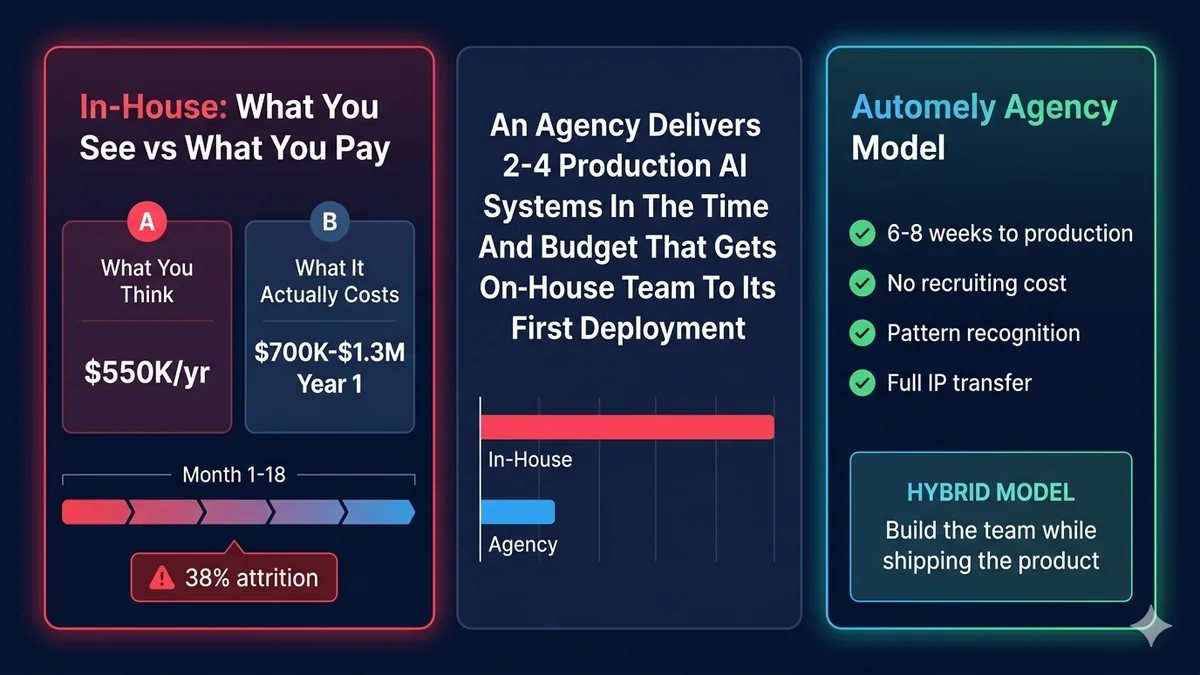
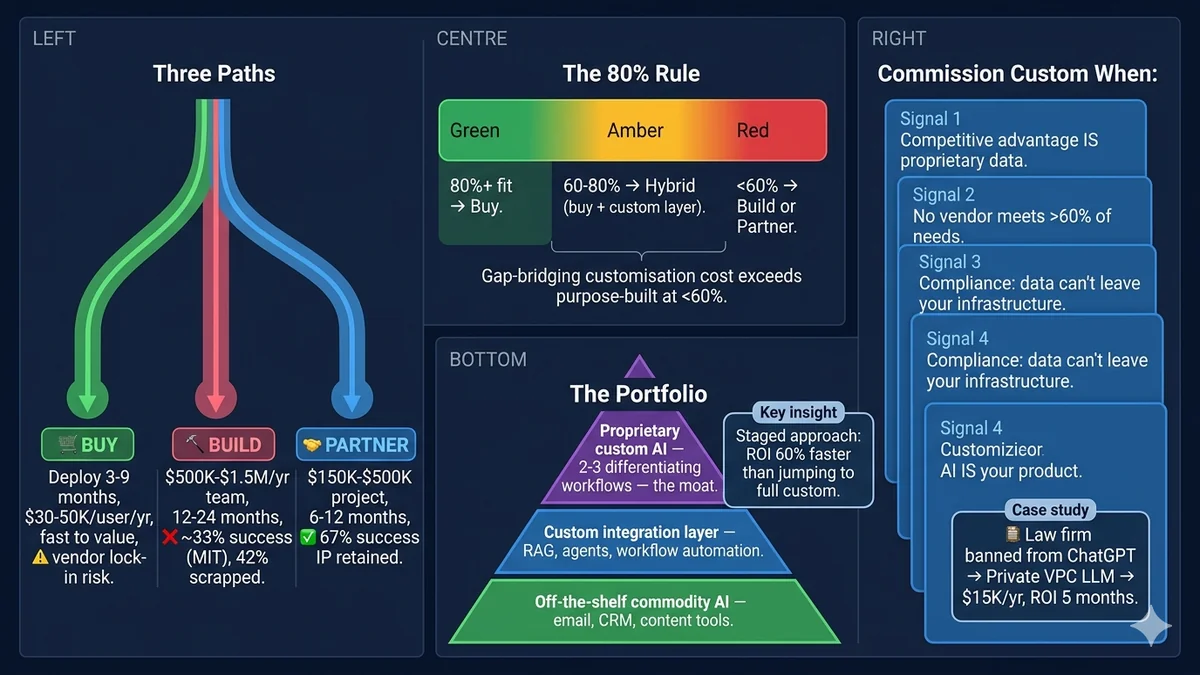
The build vs buy AI decision in 2026 is more consequential — and more frequently misframed — than it was two years ago. AI-assisted development has compressed custom build timelines, while vendor lock-in at the AI layer has become structurally riskier than traditional SaaS lock-in. MIT's 2025 enterprise AI research found that AI projects built through strategic partnerships with specialist external dev firms succeed at approximately 67% — roughly 2× the success rate of internal-only builds at ~33%. Retool's 2026 Builder Report: 35% of teams have already replaced a purchased SaaS tool with a custom build; 78% expect to build more in-house by year-end. Simultaneously, 42% of companies scrapped internal AI initiatives in 2024 because building was more demanding than anticipated. Both numbers are simultaneously true. This guide is the complete decision framework: the three paths (Buy / Build internal / Partner), the full cost comparison including the 22% hidden cost of model drift (Coherent Solutions 2026), the KPMG 80% rule (buy above 80% vendor fit; build/partner below 60%; hybrid in between), the four signals that indicate custom AI development (proprietary data moat, sub-60% vendor fit, compliance constraints, AI-as-core-product), the portfolio approach that mature businesses run across all three paths simultaneously, and the four most common decision mistakes — including the structural reason internal builds fail at 2× the rate of partnerships.

Hamid Khan

·

May 20, 2026

·

14 min read

What Non-Technical Business Owners Get Wrong About AI in 2026

AI Strategy

What Non-Technical Business Owners Get Wrong About AI in 2026

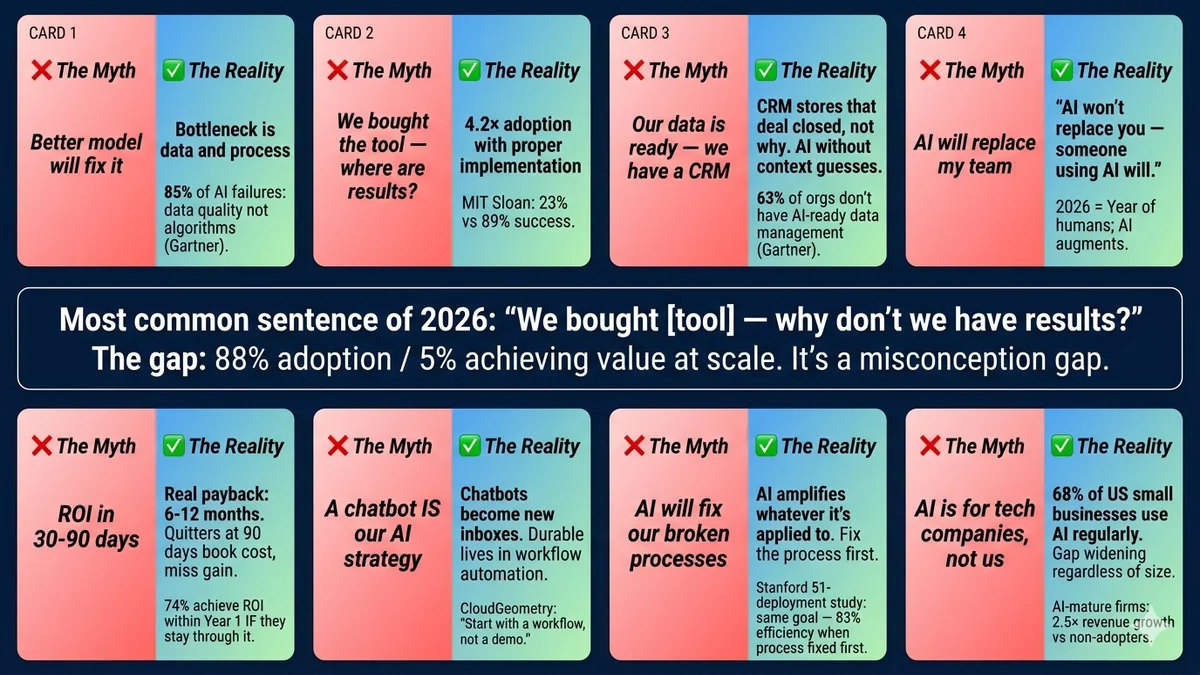
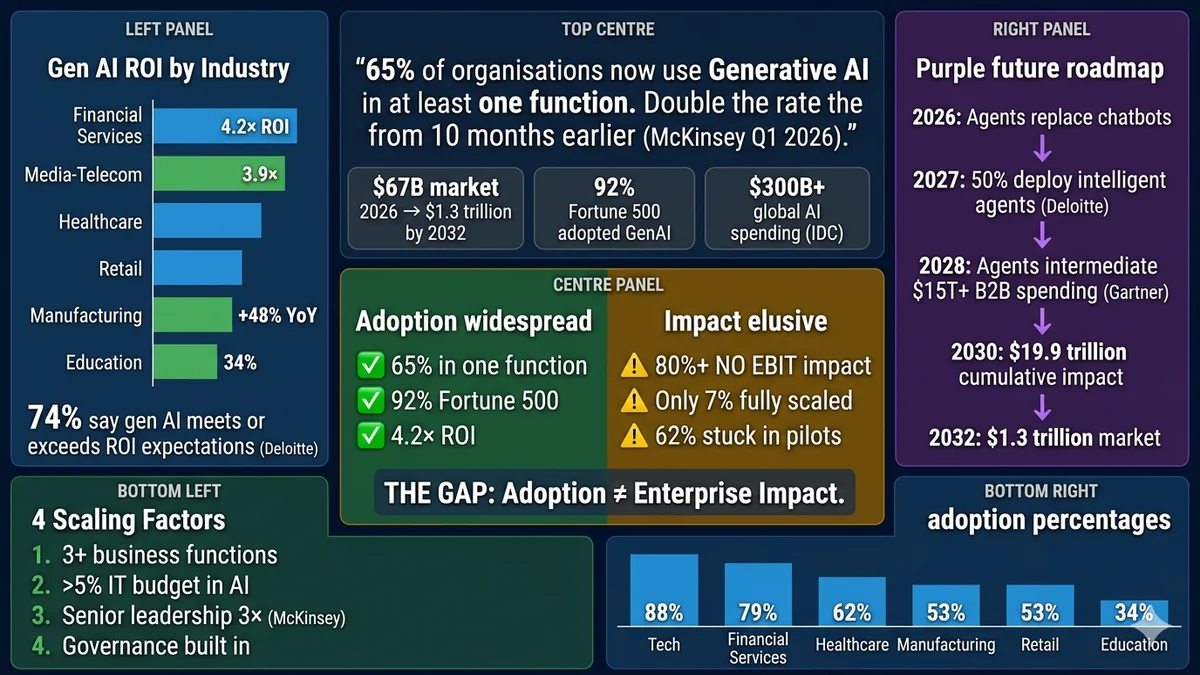
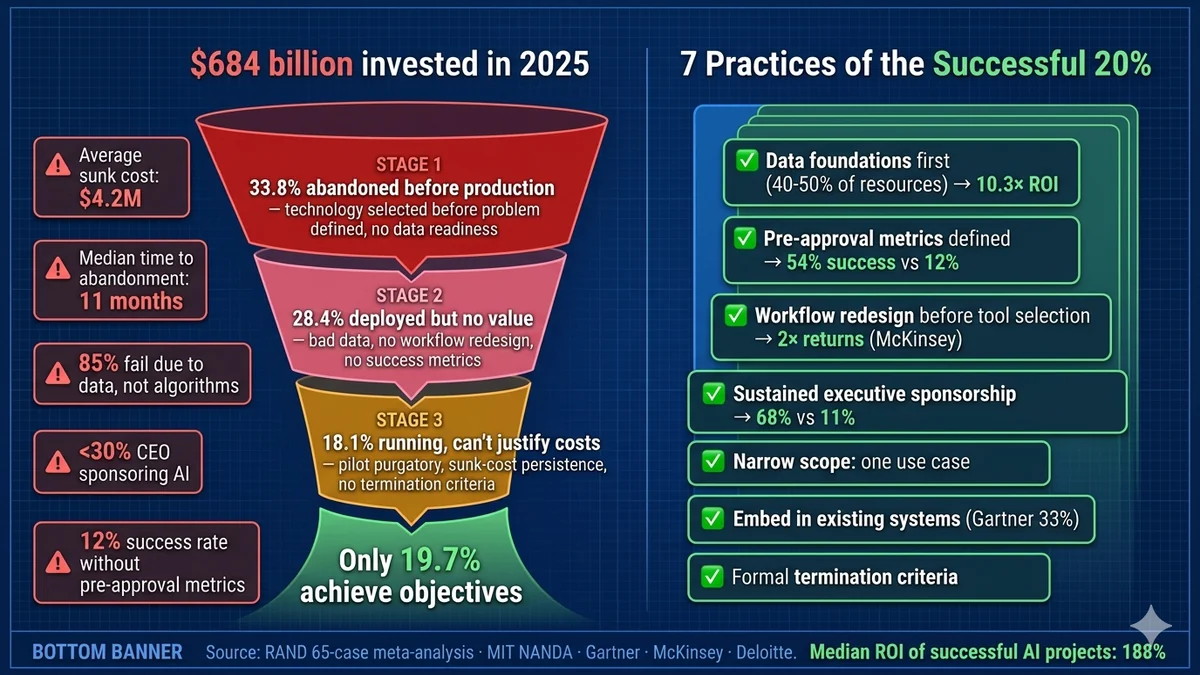
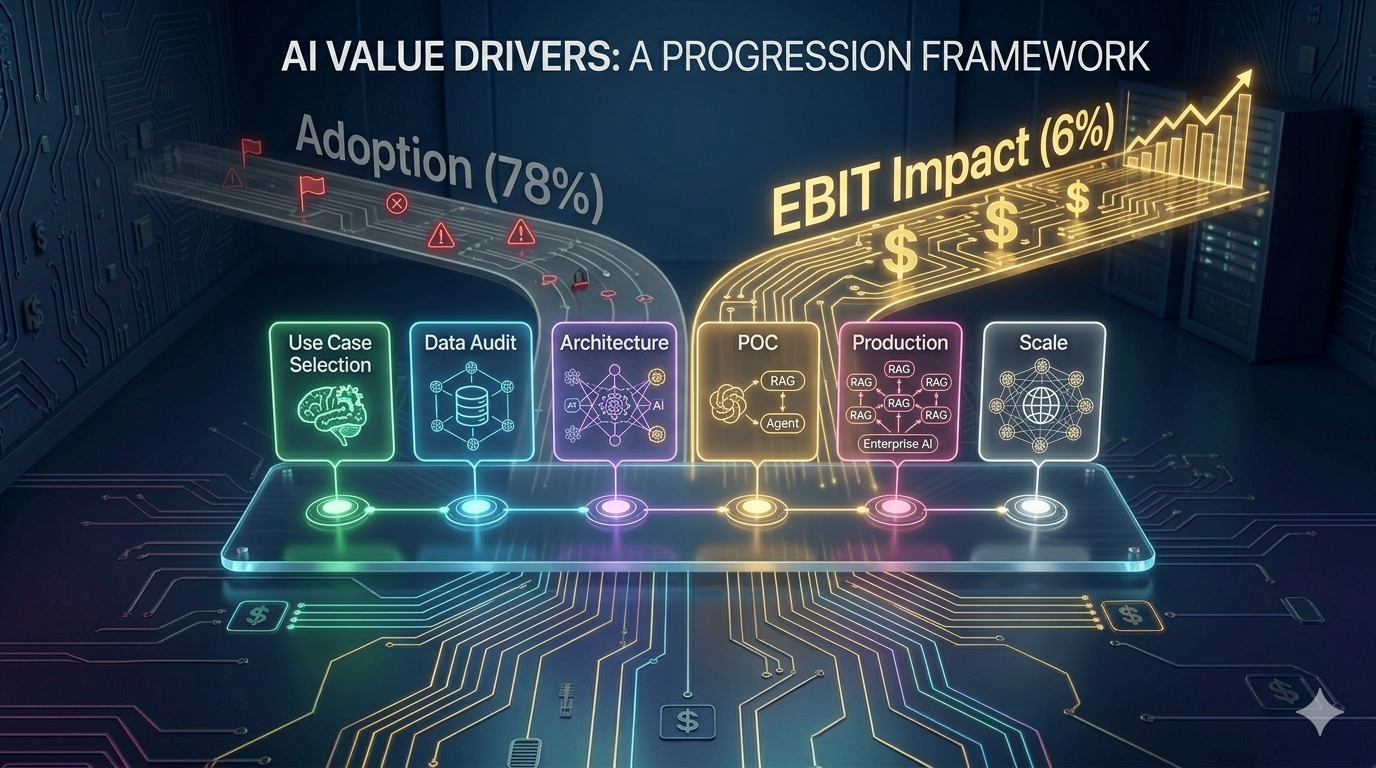
88% of organisations use AI in at least one function. Only 5% achieve AI value at scale (BCG). The gap is not a technology gap — it is a misconception gap. 80% of AI projects fail, double the failure rate of traditional IT initiatives, and 85% of those failures trace to data quality and problem definition, not the model. The complete guide for non-technical business owners and senior leaders responsible for AI decisions — eight misconceptions consistently corrected with the evidence, each with the specific decision it should change: (1) waiting for smarter models when the bottleneck is data and process, (2) treating a tool purchase as a strategy when 4.2× adoption requires proper implementation, (3) assuming a CRM means data is AI-ready when 63% of organisations don't have AI-ready data practices, (4) framing AI as team replacement when 63% of companies plan reskilling and 31% of workers actively undermine AI framed as a threat, (5) expecting 30-90 day ROI when real payback is 6-12 months and $4.2M is the average sunk cost of projects abandoned at month 11, (6) treating a chatbot as a strategy when durable ROI lives in workflow automation, (7) assuming AI fixes broken processes when AI amplifies whatever it is applied to, and (8) believing AI is only for tech companies when 68% of US small businesses already use AI regularly. Drawn from real conversations with business owners across the US, UK, and EU.

Hamid Khan

·

May 20, 2026

·

13 min read

AI-First vs AI-Augmented: Two Different Business Strategies With Very Different Outcomes

AI Strategy

AI-First vs AI-Augmented: Two Different Business Strategies With Very Different Outcomes

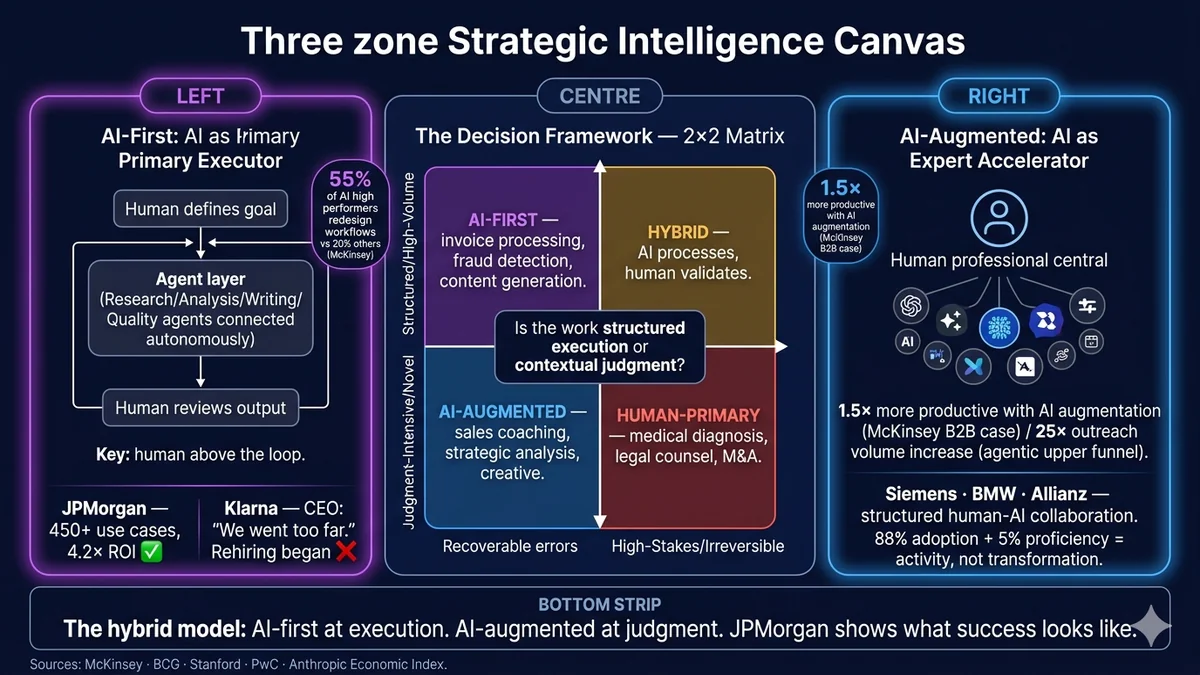
88% of organisations use AI in at least one function, only 1% describe their rollouts as mature, and only 5% achieve AI value at scale — the gap is operating model, not tooling. AI-first vs AI-augmented is the defining enterprise AI strategy decision of 2026, and getting it wrong is expensive. Klarna went AI-first in the wrong places — cutting headcount 40% (5,527 → ~3,400), letting AI handle two-thirds of customer inquiries, then watching customer satisfaction collapse, the CEO publicly admitting 'We went too far' at Davos 2026, and Bloomberg reporting the rehire. JPMorgan ran 450+ AI use cases in daily production with structured human oversight and hit 4.2× ROI — the highest documented return in financial services — with no reversal. Same industry. Same foundation models. Radically different outcomes because the operating model was different. The complete enterprise AI strategy framework: precise definitions of AI-first (human above the loop, AI as primary executor) vs AI-augmented (human in the loop, AI accelerating professionals), the two failure modes (replacing judgment that cannot be replaced vs activity-without-transformation 88%/5% trap), the four-variable decision framework (workflow nature, error consequence, competitive context, data readiness), the per-workflow mapping table for 12 enterprise functions, and the hybrid model that the most successful enterprise AI deployments actually run — AI-first at the execution layer, AI-augmented at the judgment layer.
Hamid Khan

·

May 20, 2026

·

16 min read

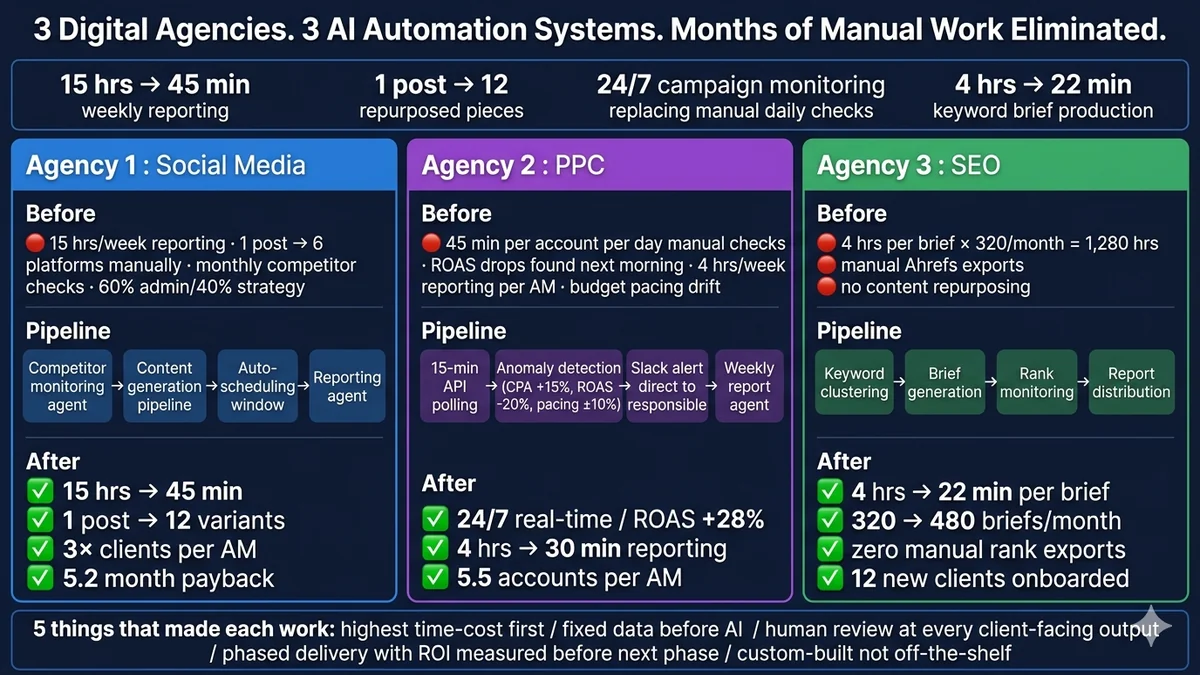
The Real ROI of AI Automation: Case Studies Across Six Industries

Enterprise AI

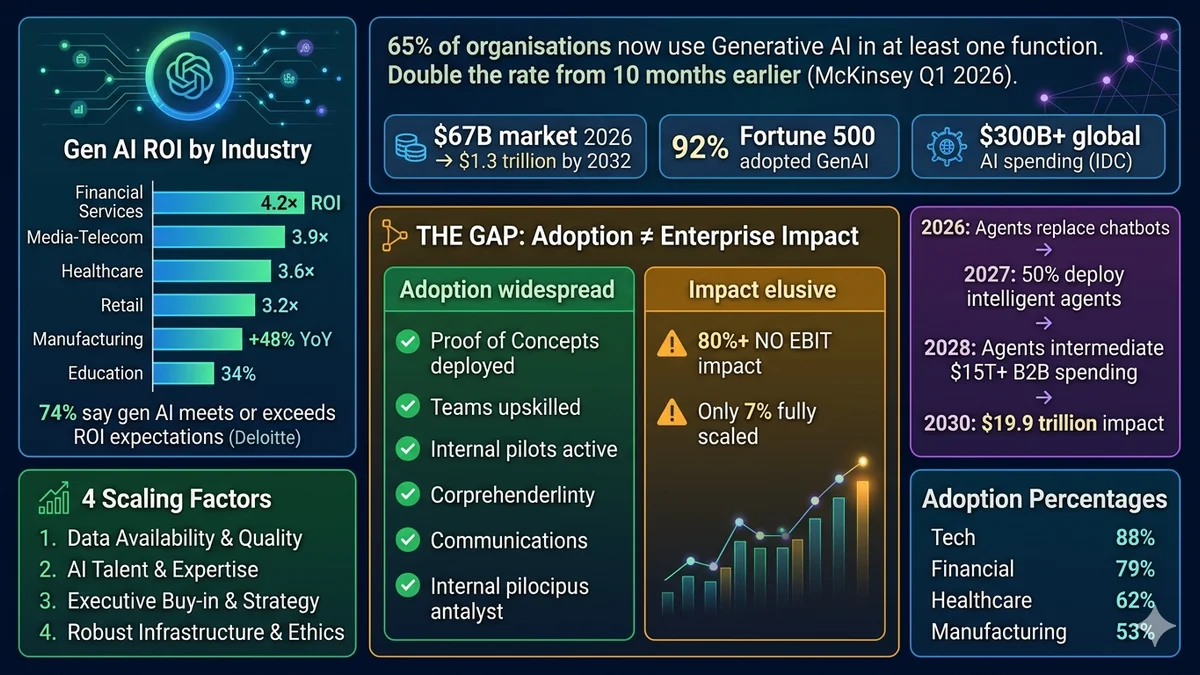
The Real ROI of AI Automation: Case Studies Across Six Industries

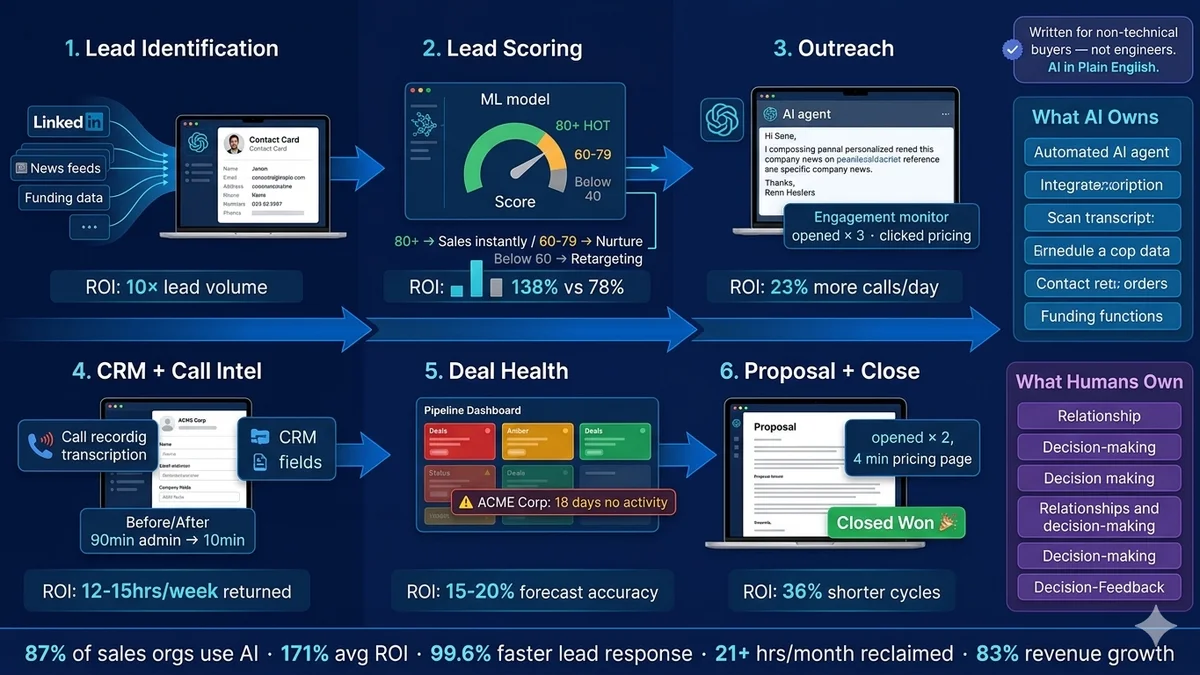
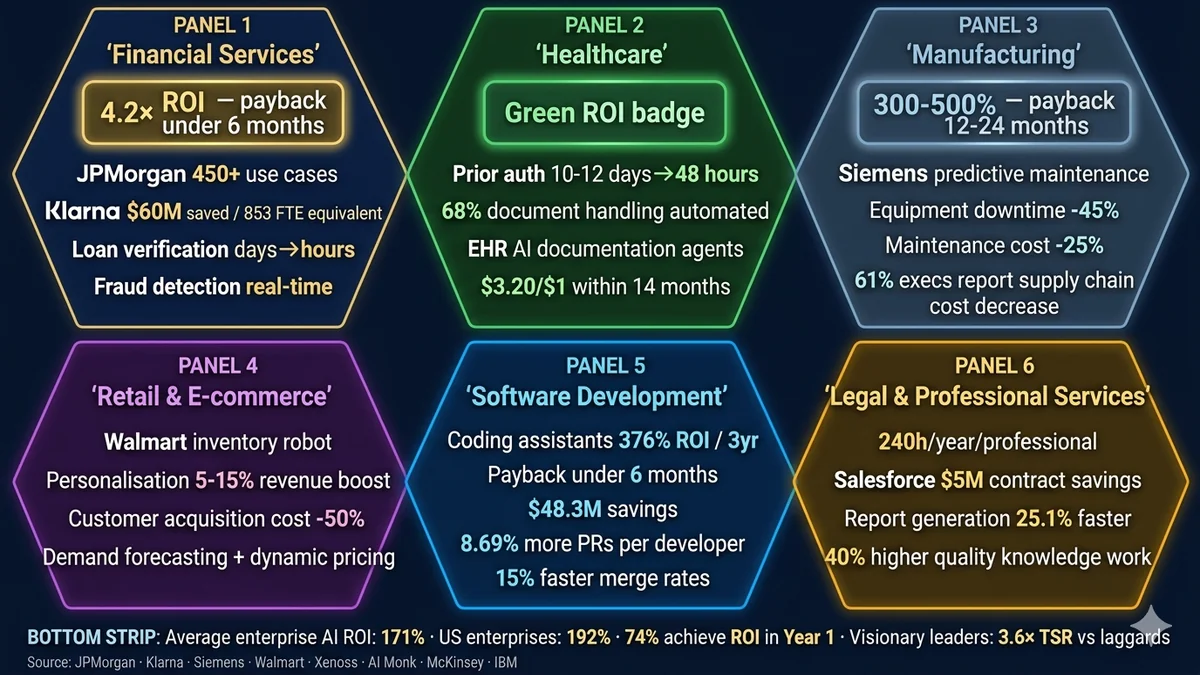
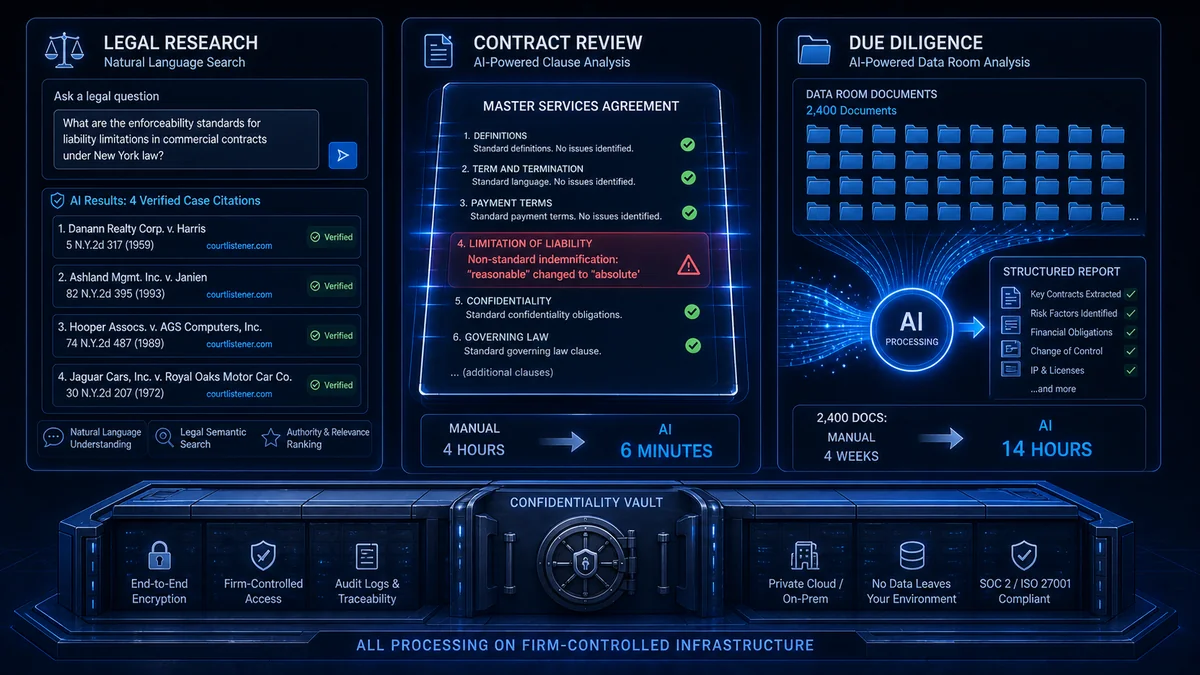
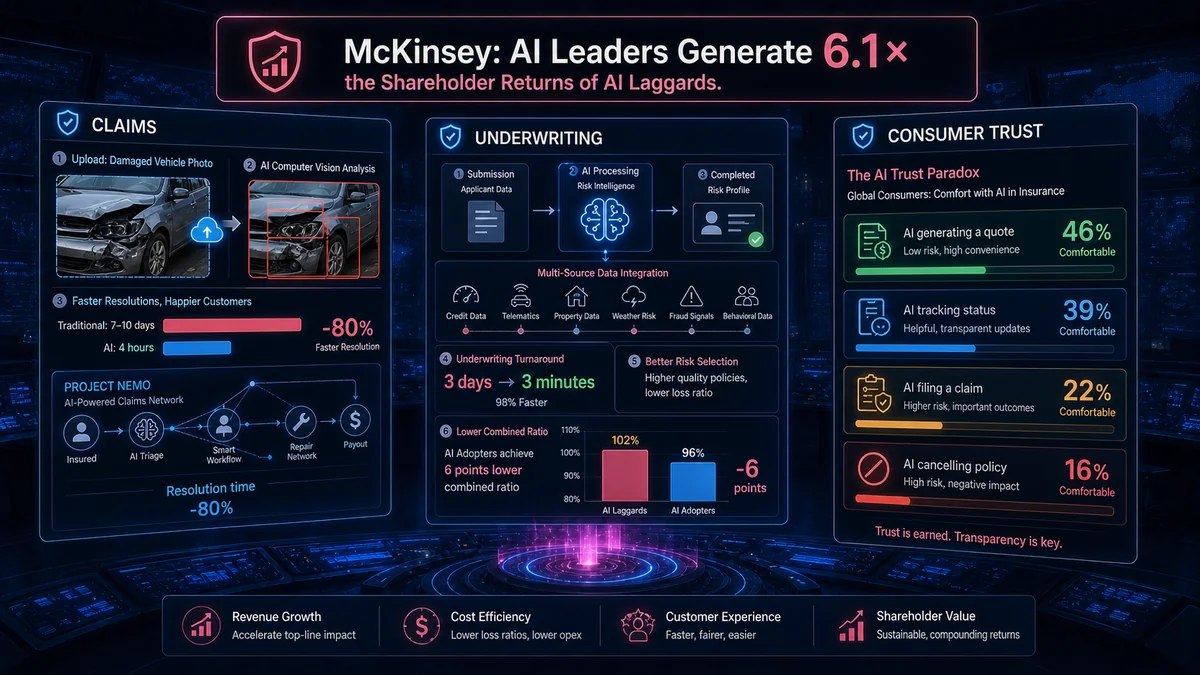
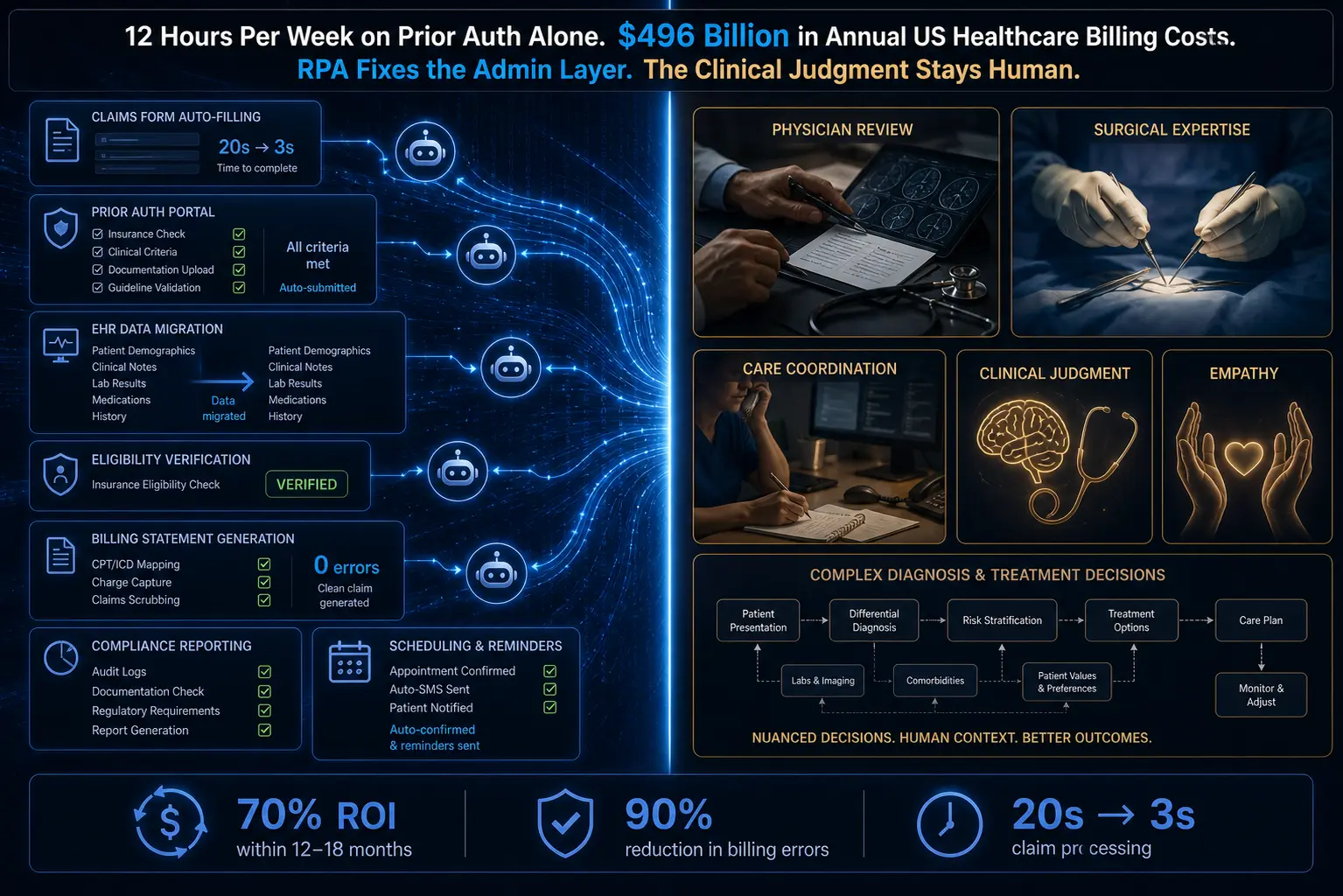
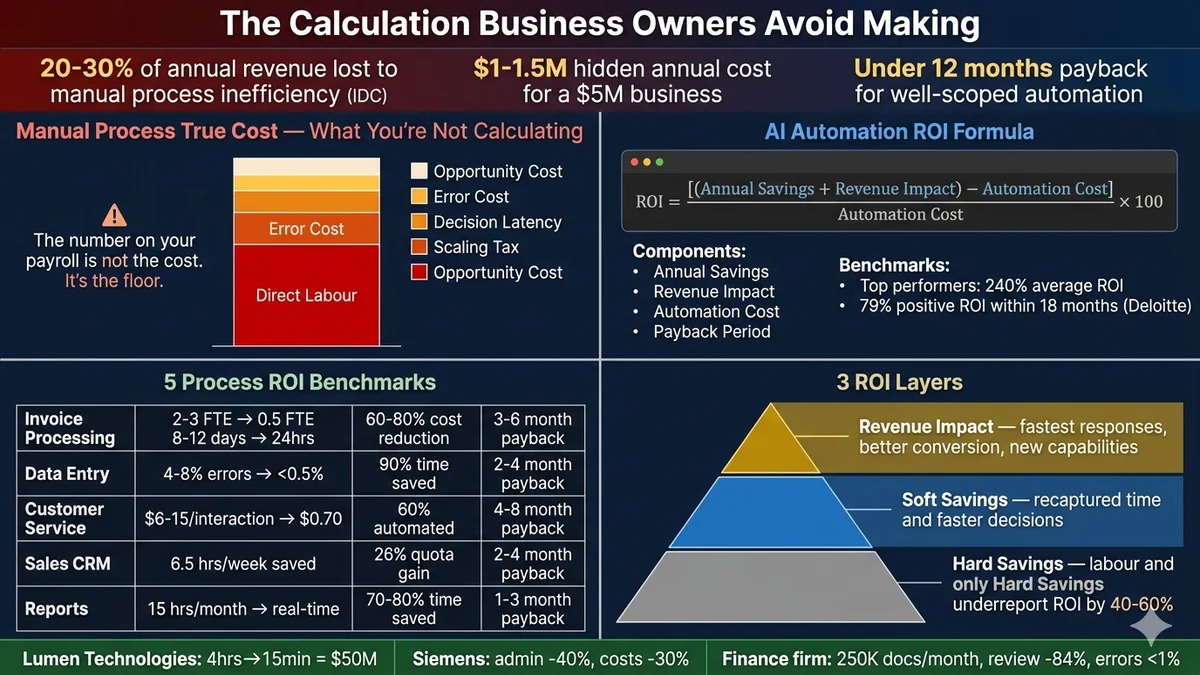
171% average ROI from agentic AI deployments — 192% for US enterprises — exceeding traditional automation by 3×, with 74% of executives hitting positive ROI within the first year and visionary AI leaders achieving 1.7× revenue growth, 3.6× three-year total shareholder return, and 2.7× return on invested capital versus laggards. But only 5% of enterprises see real returns at enterprise-wide scale — the gap between unit-level wins and P&L impact is the defining AI business challenge of 2026. The complete cross-industry AI ROI case-study analysis — Financial Services at 4.2× ROI with JPMorgan (450+ AI use cases in production), Klarna ($60M annual savings, 853 FTE equivalent), and Salesforce ($5M legal savings); Healthcare at $3.20 returned per $1 invested within 14 months with 68% document handling automated and prior auth from 10-12 days to 48 hours; Manufacturing at 300-500% ROI from Siemens predictive maintenance with 45% downtime and 25% maintenance cost reductions; Retail with Walmart inventory AI, DHL logistics, and McKinsey-documented 50% customer acquisition cost reduction; Software Development at 376% three-year ROI with payback under 6 months and $48.3M developer productivity savings; Legal and professional services at 240 hours saved per professional per year — with the cross-industry benchmark table and the governance factor that predicts ROI more than industry choice.

Hamid Khan

·

May 20, 2026

·

17 min read

AI Strategy for Small and Mid-Size Businesses: How to Compete With Enterprises That Have Bigger AI Budgets

AI Strategy

AI Strategy for Small and Mid-Size Businesses: How to Compete With Enterprises That Have Bigger AI Budgets

The conventional narrative — that enterprises win the AI race because they have bigger budgets, larger teams, and richer data infrastructure — is contradicted by the data. In 2025, enterprises spent $684B on AI and over 80% of that investment failed to deliver business value, while 68% of US small businesses now use AI regularly and AI-mature firms are growing revenue at 2.5× the rate of less-automated competitors regardless of company size. The complete SMB AI strategy guide — why the enterprise advantage assumption is flipped, the 6 structural AI advantages SMBs have that enterprise budgets cannot buy (decision velocity, use-case focus, data clarity, lean team leverage, proprietary AI moat, change management speed), the 3-level SMB AI strategy from Level 1 embedded activation ($0) through Level 2 function automation ($500-2,500/month, 280-520% first-year ROI) to Level 3 custom proprietary AI ($10K-50K competitive moat), the 5 highest-ROI AI applications (customer service at $0.50 vs $6.00 per interaction, AI marketing with 5.7× success rate, AI lead qualification at 13.8% more enquiries per hour, operations automation at 80% time reduction, AI personalisation at 27% CSAT increase), the Pilot-to-Platform compounding advantage approach, and the 3 questions to build your SMB AI strategy — for small and mid-size business leaders who want to compete with structural advantages rather than match enterprise budgets.

Hamid Khan

·

May 20, 2026

·

13 min read