



Food Delivery App Development Company — Restaurant Ordering, Grocery Delivery & Cloud Kitchen Platforms
Automely is a food delivery app development company, restaurant app development company, and food technology partner building three-sided marketplace platforms, restaurant ordering apps, grocery delivery systems, and cloud kitchen software for food businesses across the US and UK. Food delivery app development is one of the most technically demanding categories in consumer mobile — real-time order routing, sub-minute ETA updates, dynamic surge pricing, live tracking, and the complexity of coordinating three parties in a single transaction. We build food delivery apps, restaurant ordering platforms, grocery delivery applications, and the back-office systems food businesses need to operate at scale.
Dedicated developers • 7-day onboarding • Three-sided marketplace platforms • NDA on day oneWritten by Hamid Khan — CEO & Co-Founder, Automely • Last updated: May 2026Clients Served
Projects Delivered
Average Onboarding
Clutch & GoodFirms
What a Food Delivery App Actually Requires — The Full Three-Sided Technical Architecture
A food delivery app is not a single product — it is a three-sided marketplace with three separate applications that need to work in real time with each other. The customer app handles discovery, ordering, and live tracking. The restaurant app handles order receiving, preparation time management, and order ready notifications. The driver app handles order assignment, navigation, pickup confirmation, and delivery completion.
Behind all three sits a dispatcher engine. It assigns drivers to orders, calculates ETAs, handles surge pricing, and reroutes when drivers cancel. The marketplace model adds more complexity: restaurant onboarding, menu management, commission calculation, reviews, and fraud and dispute resolution workflows.
Cloud kitchen operations add another layer: production scheduling across multiple virtual brands operating from the same kitchen, and branded packaging management for each virtual brand. Automely builds across the full food technology stack — from single-restaurant ordering apps to three-sided marketplace platforms.
WHAT WE BUILD
Food Delivery App Development Services — Marketplace, Restaurant & Grocery
Every food technology engagement is scoped to your specific business model — single restaurant or multi-restaurant marketplace, delivery or collection, consumer or enterprise.
Food Delivery App Development & Three-Sided Marketplace Platform Development
Three-sided marketplace development with DoorDash- and Uber Eats-style platforms: customer app (restaurant discovery, menu browsing, basket management, live order tracking and real time order tracking system), restaurant app (order management, preparation time controls), driver app (order assignment, navigation, earnings), and a food delivery dispatcher system handling real-time driver assignment, ETA calculation, and surge pricing.
Build Your Delivery App →Grocery Delivery App Development
On-demand grocery delivery platforms: supermarket or dark store inventory integration, product catalogue management, slot-based delivery scheduling, in-app substitution management, picker application for warehouse staff, real-time inventory deduction as items are picked, and POS integration for accurate live stock availability.
Build Your Grocery App →Restaurant Ordering App & Management Software Development
Restaurant ordering app development for branded customer-facing apps and web apps, table management and QR code ordering system development for dine-in, kitchen display system (KDS) integration, direct online ordering (bypassing aggregator commission), POS integration with Square, Toast, Lightspeed, and Clover, reservation management, and analytics dashboard.
Build Your Restaurant App →Cloud Kitchen Platform Software Development & Ghost Kitchen Software
Cloud kitchen software development and ghost kitchen / dark kitchen management software: multi-brand menu management from a single production facility, order aggregation from Uber Eats, DoorDash, and Just Eat into a single kitchen display, virtual brand performance analytics, production scheduling to balance preparation across brands during concurrent peaks, and inventory management across shared and brand-specific ingredients.
Build Your Cloud Kitchen Platform →Food Delivery Marketplace Platform & Aggregator Development
Food delivery marketplace platform development for Uber Eats-style and Just Eat-style multi-restaurant marketplaces: restaurant onboarding and menu management, featured placement and promotional tools, review and rating infrastructure, multi-restaurant cart, loyalty and rewards programme integration, commission configuration and automated settlement, and consumer marketing tools that drive repeat order frequency.
Build Your Marketplace →Restaurant AI Automation
AI automation for food and restaurant operations: demand forecasting for kitchen prep quantities to reduce food waste, AI-powered menu optimisation using order history and margin data, automated customer service for order status and complaints, intelligent upsell prompts based on basket contents, and dynamic pricing models that maximise revenue during peak demand windows.
Automate Your Operations →HOW WE WORK
Our Food Delivery App Development Process
Six stages built around the specific complexity of food delivery technology — from dispatcher architecture to real-time load testing under peak demand.

01
Discovery & Architecture
We map your food business model to a technical architecture — marketplace or single restaurant, delivery or collection, three-sided or single-sided. Platform decisions, dispatcher model, and third-party integrations agreed before any code is written. Deliverable: A technical architecture document and phased delivery roadmap.
02
UI/UX Design
Mobile-first interface design for each app surface — customer app, restaurant app, and driver app each have fundamentally different UX requirements. High-fidelity prototypes delivered for approval before development begins. Deliverable: Approved designs for all app surfaces ready for development handoff.
03
Core Platform Development
Backend API, database design, real-time infrastructure, and payment integration built in parallel with the mobile app surfaces. Two-week sprints with working software at the end of each cycle. Deliverable: Testable increments of all app surfaces and backend delivered every sprint.
04
Dispatcher & Real-Time Systems
Driver assignment logic, ETA calculation, live tracking, and order state management — the most complex components of any delivery platform. Built with WebSocket infrastructure and tested under simulated concurrent load. Deliverable: Tested dispatcher engine handling concurrent orders across multiple drivers.
05
QA & Load Testing
End-to-end testing across all three app surfaces plus the backend. Load testing simulating peak demand scenarios — the dinner-hour rush that breaks unprepared infrastructure. Deliverable: QA report with device coverage, load test results, and sign-off for launch.
06
Launch & Growth Iteration
App Store and Google Play submission handled end-to-end. Post-launch monitoring with Sentry and analytics dashboards. Your dedicated developer remains available for feature iteration, performance tuning, and scaling as order volume grows. Deliverable: Live platform with monitoring setup and a post-launch iteration roadmap.
Why Food Businesses Choose Automely Over Generic App Agencies
Food delivery technology has unique failure modes — platforms that cannot handle the dinner rush, dispatcher engines that assign the wrong driver, payment splits that break under concurrent load. Automely's food technology developers understand these failure modes before writing the first line of code.
The Problem You Face
What Automely Does Differently
Off-the-shelf ordering solutions charge high monthly fees and limit your control over the customer experience
We build your branded platform — you own the customer relationship, the data, and the ordering channel without paying aggregator commission
Generic development agencies quote fixed prices without understanding the dispatcher complexity of a three-sided marketplace
We scope food delivery builds with an honest assessment of dispatcher complexity — no surprises when the hardest part arrives
Freelancers can build the front end but cannot handle real-time infrastructure, driver tracking, and payment splits
Our full-stack food delivery developers handle the entire stack — mobile apps, backend API, real-time dispatcher, and Stripe Connect payouts
Platforms built without peak load planning crash during lunch and dinner rushes — exactly when uptime matters most
We build for peak demand from the architecture stage, with auto-scaling infrastructure and tested concurrent order handling
POS integration is an afterthought that causes operational friction between online orders and kitchen systems
POS integration (Square, Toast, Lightspeed) is treated as a first-class requirement, not a post-launch fix
Offshore teams build to spec but cannot adapt when the business model changes mid-build
Your dedicated developer is embedded in your team — they understand the business context and can adapt as product direction evolves
Food Delivery App Results — 12-Week Launch, 500+ Week-One Orders, $47K Commission Saved
Below are examples of food delivery and restaurant technology projects delivered by Automely. All client details are kept confidential.
FOOD TECH SECTORS WE SERVE
Food Delivery App Development for Every Segment
Our food technology developers understand the specific operational requirements, integration needs, and business model considerations for each segment below.
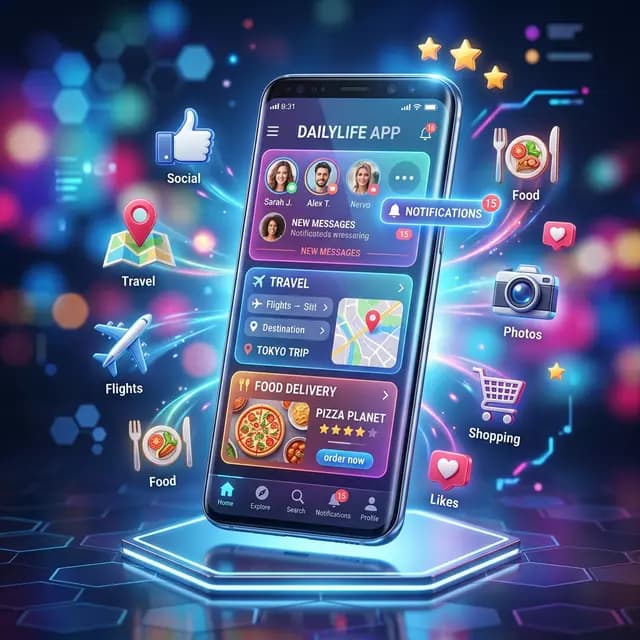
Restaurant Chains & QSR
Branded direct ordering apps, loyalty programmes, QR code dine-in ordering, and POS integration for restaurant groups looking to reduce aggregator dependency.
Restaurant Chain Software
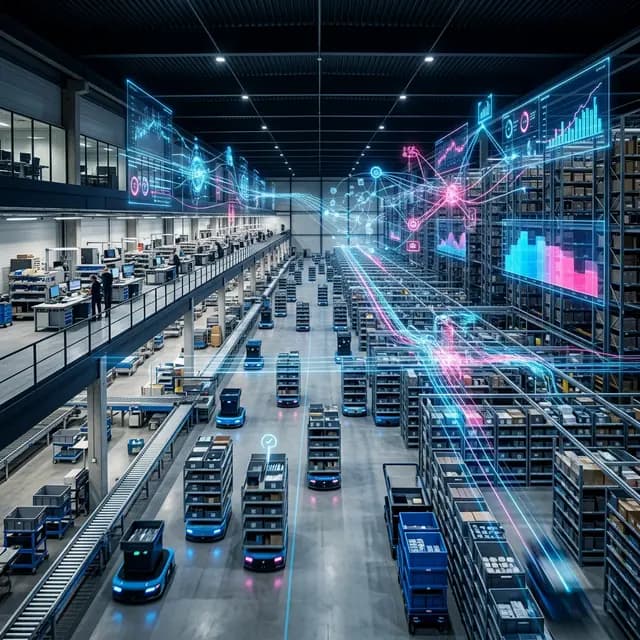
Grocery & Supermarkets
On-demand grocery delivery platforms with inventory integration, dark store management, slot booking, picker apps, and substitution management for grocery operators.
Grocery Delivery Platform
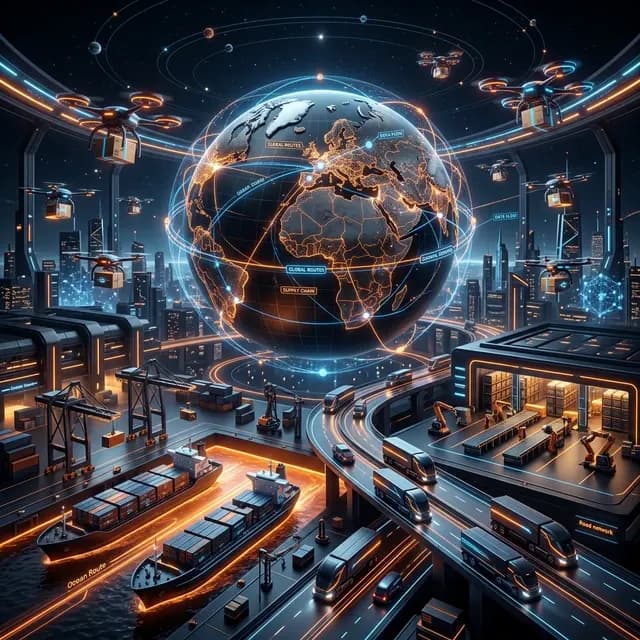
Food Delivery Startups
Three-sided marketplace platforms for new food delivery businesses — from MVP with simplified dispatch to production-grade platforms with surge pricing and promotions engines.
Delivery Marketplace Platform
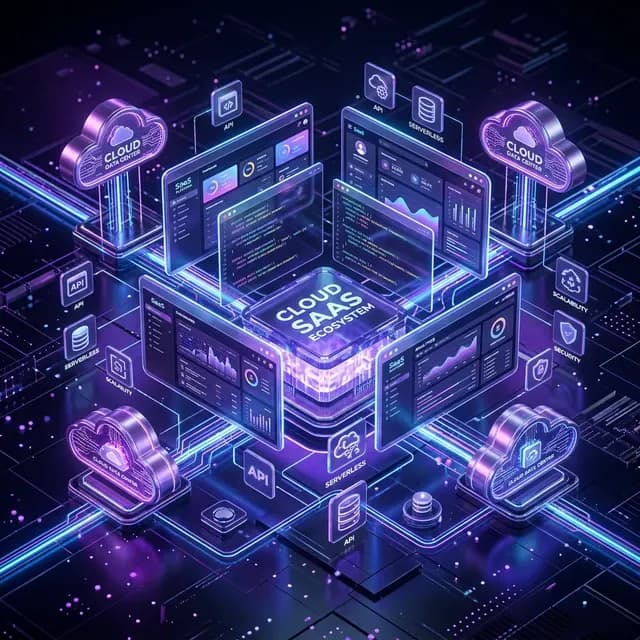
Cloud Kitchen Operators
Multi-brand order aggregation, kitchen display systems, production scheduling, virtual brand analytics, and inventory management for cloud kitchen and dark kitchen operators.
Cloud Kitchen Software
Food Marketplace & Aggregators
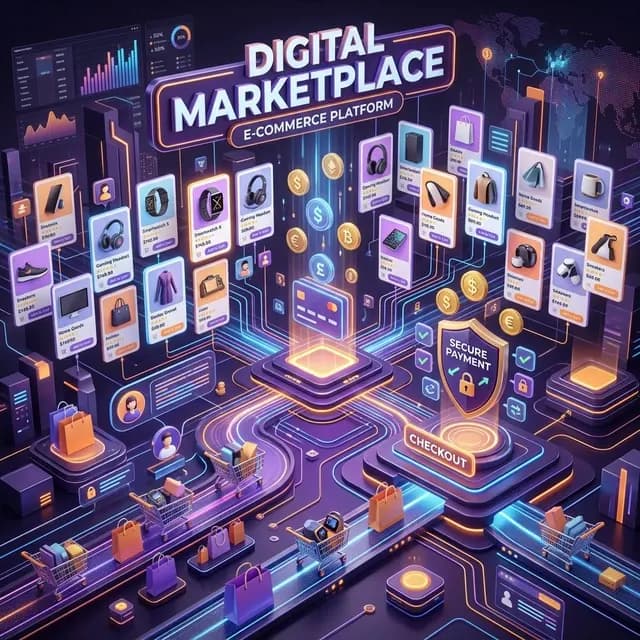
Multi-restaurant marketplace platforms with restaurant onboarding, commission management, promoted listings, loyalty programmes, and consumer marketing tools.
Food Marketplace Platform
Enterprise Catering
Corporate catering management platforms — employee ordering portals, dietary preference management, catering schedule management, and supplier integration for workplace food programmes.
Enterprise Catering Software
FREQUENTLY ASKED QUESTIONS
Food Delivery App Development FAQs: Build Cost, Dispatcher Architecture, Business Models and Cloud Kitchen Software
How do food delivery marketplace platforms make money?
Food delivery marketplace platforms (DoorDash, Uber Eats, Just Eat, Grubhub) typically blend four revenue streams. Choosing which mix to build determines the technical architecture of the platform you commission. Using DoorDash as the worked example:
| Revenue Stream | How It Works | Approximate Share |
|---|---|---|
| Restaurant commission | % of each order value charged to the restaurant (typically 15–30% depending on plan) | ~55% of revenue |
| Delivery fee | Fixed or variable fee charged to the customer per order | ~20% of revenue |
| DashPass subscription | Monthly subscription fee (customers) giving reduced delivery fees and lower minimums | ~10% of revenue |
| Ads / promoted listings | Restaurants pay for featured placement in search results and category pages | ~15% of revenue |
What does a three-sided food delivery marketplace consist of?
A three-sided food delivery marketplace (DoorDash, Uber Eats, Just Eat, Grubhub-style platform) is built from four distinct applications that have to work together in real time: (1) a Customer app for restaurant discovery, menu browsing, ordering, and live order tracking; (2) a Restaurant app (typically a tablet) for order receiving, preparation-time management, and order-ready notifications; (3) a Driver app for order assignment, navigation, pickup confirmation, and delivery completion; and (4) a Dispatcher engine — the back-office system that matches each incoming order with an available nearby driver, calculates ETAs based on preparation time and travel distance, and dynamically adjusts pricing during high-demand periods. This three-sided coordination — three apps plus the dispatcher — is what makes food delivery apps technically demanding to build. The dispatcher engine is typically the single most complex component and accounts for a significant share of total build cost. Most first builds start with a simplified proximity-based dispatch model and invest in the algorithm as order volume grows.
How much does it cost to build a food delivery app like DoorDash?
Food delivery app development cost by scope:
| Scope | What's Included | Estimated Range |
|---|---|---|
| Restaurant ordering app (single restaurant) | Branded ordering app, menu management, POS integration, order notifications | $15,000–$30,000 |
| Multi-restaurant ordering (no delivery) | Restaurant marketplace, menu management, checkout, admin panel | $25,000–$50,000 |
| Full delivery marketplace MVP | Customer app, restaurant app, driver app, dispatcher, basic payments | $60,000–$120,000 |
| Production-grade delivery platform | All above + surge pricing, real-time tracking, subscription, promotions engine | $120,000–$250,000+ |
| Grocery delivery platform | Inventory integration, picker app, slot scheduling, substitution management | $50,000–$120,000 |
What is a cloud kitchen and what software does it need?
A cloud kitchen (dark kitchen or ghost kitchen) is a food production facility with no front-of-house dining. It produces food only for delivery, often running 10–20 virtual restaurant brands from one shared kitchen. The software needs are specific. It needs an order aggregation system that pulls from Uber Eats, DoorDash, and Just Eat into a single kitchen display. It needs multi-brand menu management, production scheduling across brands during peak hours, shared ingredient inventory tracking, multi-brand driver coordination, and performance analytics by brand.
Standards & references we build to: Stripe Connect — marketplace split-payment docs • Toast POS — developer / API documentation
Related Reading on Food Delivery App Development & Hiring
Continue your research on food delivery build costs, hiring dedicated marketplace engineers, and adjacent ecommerce and hospitality work where grocery, POS, and restaurant systems overlap.
AI Development Cost in 2026 →
Pricing benchmarks for three-sided marketplace builds, dispatcher engines, and AI food-operations automation.
Ecommerce Development →
For grocery ecommerce, subscription-billing, and PCI DSS-compliant checkout flows adjacent to food-delivery payments.
Hospitality Software Development →
For hotel F&B ordering, restaurant POS integration, and property-side guest-experience platforms.
Build Your Food App — Dedicated Senior Developer, Onboarded in 7 Days
Building a food delivery app, a restaurant ordering platform, a grocery delivery service, or a cloud kitchen management system? Tell us what you are building and we will match you with a developer who has built in food technology before.
- Book a free 30-minute technical consultation — focused on your food app's specific architecture requirements
- Receive a scoped proposal with dispatcher model recommendation within 48 hours
- We onboard your dedicated food technology developer within 7 business days
No lock-in contracts • NDA on day one • Three-sided marketplace expertise