


Entertainment & Media App Development Company — OTT, Streaming & Social Platforms
Automely is an entertainment and media app development company, OTT platform development company, and social media app development company building OTT platforms, social media apps, music streaming services, and live streaming platforms for media businesses across the US and UK. Media and entertainment applications sit at the intersection of the highest user expectations and the most demanding technical requirements in consumer software. Video streaming platforms need adaptive bitrate delivery, DRM infrastructure, and sub-second start time. Social platforms need real-time feeds, recommendation algorithms, and content moderation at scale. We build entertainment and media applications with dedicated senior engineers who understand the performance, reliability, and scale requirements of consumer media products.
Dedicated developers • 7-day onboarding • OTT, DRM, WebRTC & social platforms • NDA on day oneWritten by Hamid Khan — CEO & Co-Founder, Automely • Last updated: May 2026Clients Served
Projects Delivered
Average Onboarding
Clutch & GoodFirms
Why Entertainment App Development Requires Specialist Media Engineering
A video streaming platform is not a website with a video player. It is a full media pipeline: ingesting source files, transcoding to multiple resolutions and codecs, packaging into HLS and MPEG-DASH formats, encrypting with DRM (Widevine, FairPlay, PlayReady), delivering through a CDN, and running a player that switches bitrate based on bandwidth. Building this correctly requires architecture experience — not just video.js on a webpage.
Social media has different challenges. When a user with a million followers posts, how do you push it to a million feeds in near real-time? That is the fan-out problem. Recommendation algorithms must balance recency, relevance, and engagement. At scale, human moderation alone becomes too slow and too costly. Real-time notifications are what make social apps feel alive. These are distributed systems problems — not standard web app problems.
AI is changing media applications in ways that create product differentiation: personalised content discovery, automatic subtitle and caption generation, AI-powered content search by visual or audio content rather than metadata, intelligent content moderation that operates faster than human review, and generative AI tools that let creators produce content at higher velocity. For media companies building the next generation of entertainment products, AI is increasingly the core product capability.
WHAT WE BUILD
Entertainment & Media App Development Services
Every media platform engagement is scoped to your specific content model, monetisation strategy, and audience — from single-creator podcast apps to multi-device OTT platforms with DRM and live streaming.
OTT Platform Development Company & Video on Demand Platform Development
OTT streaming platform development and video on demand platform development: full video pipeline from ingest to playback (transcoding, adaptive bitrate with HLS streaming development and HLS/DASH, CDN delivery), DRM platform development (Widevine, Apple FairPlay, PlayReady), subscription and pay-per-view payment flows, content management backend, multi-device player (web, iOS, Android, Smart TV — Samsung Tizen, LG webOS, Apple TV, Roku), offline download for mobile, and analytics showing plays, completion rate, and subscriber churn by content type.
Build Your OTT Platform →Social Media Platform Development & Creator Economy Platform
Custom social media app development and creator economy platform development: user profile and follow/subscribe graph, real-time activity feed with personalised ranking, content creation tools (photo, video, short-form, stories), reaction and comment systems, direct messaging with end-to-end encryption, push notification infrastructure, creator monetisation tools (subscriptions, tipping, paid content), and content moderation software (AI pre-screening plus human review workflows) for platforms operating with user-generated content at scale. Built with GDPR-compliant user data handling and copyright/DMCA workflow tooling for UGC platforms.
Build Your Social Platform →Music Streaming App Development
Custom music streaming app development: audio streaming with adaptive bitrate, offline sync with encrypted local storage, playlist management (create, share, collaborative), personalised recommendation engine using listening history and audio feature similarity, artist and album metadata integration (MusicBrainz, Gracenote), and the music licensing infrastructure — integration with PROs (ASCAP, BMI, PRS) and streaming royalty reporting systems — that distributing music publicly requires.
Build Your Music App →Live Streaming Platform Development & Sports Streaming Platform
Live streaming platform development for events, sports streaming platform builds, gaming, and creator broadcasting: ultra-low latency live video delivery (WebRTC for sub-second latency, HLS for broader reach), real-time chat and fan engagement platform features, virtual gifting and tipping mechanics, multi-bitrate adaptive streaming, DVR and replay functionality, multi-camera stream switching, pay-per-view and subscription access gates, and the CDN infrastructure that handles concurrent viewer spikes of a live event without buffering.
Build Your Live Platform →Podcast App Development Company & Audio Platform Development
Custom podcast app development and audio platform development: audio file storage and delivery infrastructure, RSS feed generation compliant with Apple Podcasts and Spotify ingestion specifications, episode and series management CMS, AI transcript generation (Whisper-based), full-text search across episode content, chapter markers, subscription and premium episode gating, listener analytics (downloads, completion, device and geographic distribution), and creator dashboard for publishing and performance monitoring.
Build Your Podcast Platform →Media Management & AI Tools
Backend media operations software: content ingestion pipelines, automated transcoding and format conversion, rights and licensing management for multi-territory content libraries, AI-powered metadata generation (auto-tagging, subject classification, scene detection), AI subtitle and caption generation (Whisper), content search by visual and audio features rather than text metadata, and distribution workflows that deliver content to multiple platforms simultaneously from a single content management operation.
Build Your Media Platform →HOW WE WORK
Our Entertainment & Media Development Process
Six stages built around the specific complexity of media platforms — from content model and DRM architecture through live streaming load testing and App Store submission.

01
Content Model & Architecture
We establish your content model (video, audio, short-form, live), monetisation model (SVOD, AVOD, TVOD, creator monetisation), DRM requirements based on your content rights obligations, and the multi-device player strategy. These decisions drive the entire technical architecture. Deliverable: Content and monetisation architecture document with platform and DRM recommendations.
02
Video Pipeline Design
For streaming platforms: transcoding pipeline design (resolution ladder, codec selection, adaptive bitrate packaging), CDN configuration for global delivery, DRM implementation specification, and origin storage architecture. For social platforms: content upload, processing queue, and CDN delivery pipeline for user-generated content at volume. Deliverable: Video pipeline architecture specification approved before development.
03
Core Platform Development
Backend API, content management, user authentication, and subscription management built in parallel with the consumer-facing application. Two-week sprints with working software at each cycle. For live streaming: WebRTC infrastructure and real-time chat established in early sprints. Deliverable: Testable platform increments delivered every sprint.
04
Player & Multi-Device Development
Video player integration across target devices: web (Shaka Player or Video.js), iOS (AVPlayer), Android (ExoPlayer), Smart TV (Samsung Tizen, LG webOS, Roku). Adaptive bitrate switching, offline download, Chromecast/AirPlay, and DRM license acquisition. For social platforms: content creation tools and camera integration. Deliverable: Tested player experience across all target devices.
05
Monetisation & Payment Integration
Subscription management (Stripe Billing or RevenueCat for mobile), Apple In-App Purchase and Google Play Billing integration for mobile subscriptions, pay-per-view flows, creator payout infrastructure, and the ad serving integration for AVOD platforms. Deliverable: Tested payment flows across all platforms with App Store and Google Play compliance verified.
06
Launch & Scale
App Store and Google Play submission handled end-to-end. CDN warming and load testing before launch — concurrent viewer spikes for live events require pre-launch infrastructure validation. Content moderation tooling activated before user-generated content goes live. Your dedicated developer remains available for recommendation engine improvement and feature iteration. Deliverable: Live platform with monitoring, analytics dashboards, and a post-launch iteration roadmap.
Why Media Businesses Choose Automely Over Generic App Agencies
Media and entertainment platforms have specific failure modes that general-purpose app agencies encounter mid-build — DRM requirements discovered after the player is built, live streaming infrastructure that fails under concurrent viewer load, and content moderation added after the first policy violation. Automely's media developers know these failure modes before the first sprint.
The Problem You Face
What Automely Does Differently
Video platforms built with an embedded player and no transcoding pipeline deliver one bitrate to all viewers — buffering on slow connections, wasted bandwidth on fast ones
We build proper adaptive bitrate pipelines — multiple resolution rungs, HLS/DASH packaging, and CDN delivery that switches bitrate based on the viewer's available bandwidth in real time
DRM is treated as an afterthought — implemented after the content rights holder demands it, creating re-architecture work mid-build
DRM architecture (Widevine, FairPlay, PlayReady) is specified at the start of any platform handling licensed content — not discovered when content owners require it
Social media platforms built without thinking about the fan-out problem fail under load when a high-follower account posts
We architect social feed systems with the fan-out problem solved upfront — whether via push (pre-computed feeds) or pull (on-demand generation) based on your expected follower distribution
Live streaming platforms built on standard HTTP infrastructure cannot handle the concurrent viewer spike of a real live event
Live streaming infrastructure is load tested against concurrent viewer targets before the first real event — CDN capacity, WebSocket connection limits, and chat message throughput all validated in advance
Content moderation is added post-launch after the first policy violation report — by which point the platform has already been used for harmful content
Content moderation tooling (AI pre-screening + human review workflow) is designed into the platform architecture before user-generated content goes live
Music apps built without understanding music licensing distribute content that requires PRO licensing without reporting royalties — creating significant legal exposure
Music licensing requirements (ASCAP, BMI, PRS royalty reporting obligations) are established at the start of any music platform build — not discovered after distribution begins
Media Platform Results — 3,200 Subscribers in 90 Days, 9,400 Members, Creator Revenue 8x on Previous Platforms
Below are examples of entertainment and media platform projects delivered by Automely. All client details are kept confidential.
MEDIA SECTORS WE SERVE
Entertainment and Media App Development for Every Content Category
Our media developers understand the specific technical requirements, DRM obligations, and monetisation infrastructure for each entertainment segment below.
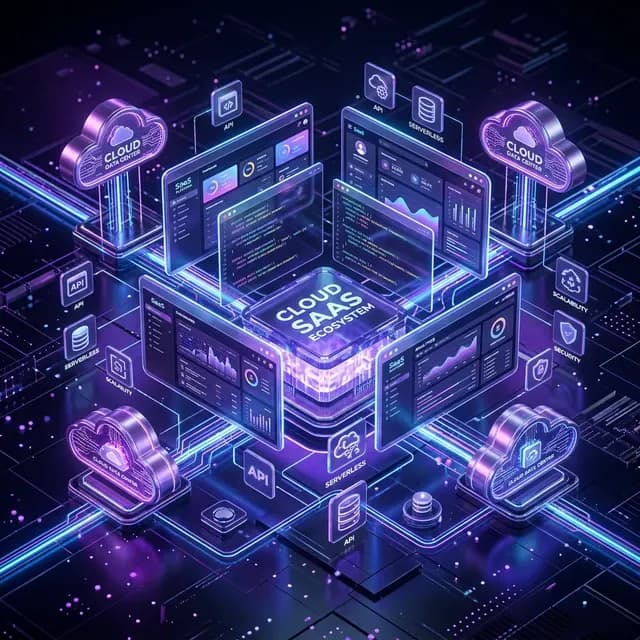
Streaming & VOD Platforms
SVOD, AVOD, TVOD, and hybrid streaming platforms for independent content networks, broadcasters, and entertainment companies building direct-to-consumer subscription businesses.
Streaming Platform Development
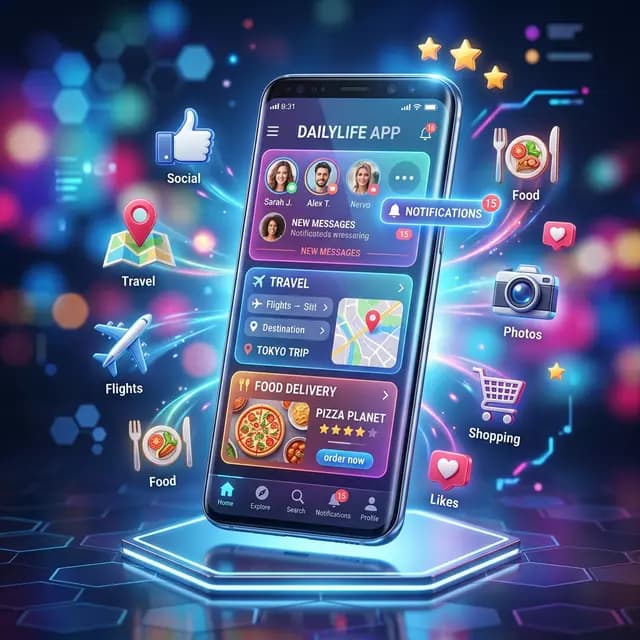
Social Media & Community
Social media apps, community platforms, and creator monetisation tools for startups building the next generation of social entertainment and creator economy products.
Social Media App Development
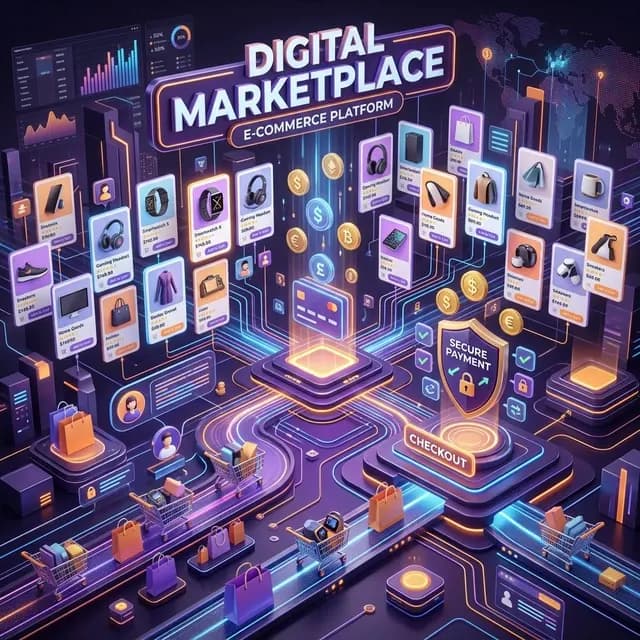
Music & Audio
Music streaming apps, podcast platforms, audio community products, and music technology tools including DJ apps, music creation tools, and royalty management software.
Music App Development
Live Events & Sports
Live streaming platforms for sports events, concerts, esports, and live entertainment — with pay-per-view access gates, real-time chat, virtual gifting, and CDN infrastructure for concurrent viewer spikes.
Live Event Platform Development
Gaming & Esports
Gaming companion apps, esports tournament platforms, game streaming integrations, in-game purchase and virtual economy systems, and community and clan management platforms.
Gaming Platform Development
Media Companies & Publishers
Digital media management, content distribution automation, AI-powered content tagging and search, multi-platform publishing workflows, and the rights management systems that media companies need to operate at scale.
Media Management Software
FREQUENTLY ASKED QUESTIONS
Entertainment & Media App Development FAQs: OTT Platforms, Social Media Apps, Streaming and Monetisation Models
Which streaming platform model should I choose for my OTT business?
For media businesses building a new streaming platform, the choice of platform model determines your payment infrastructure, content access logic, and DRM requirements. The four main streaming platform business models to choose from: SVOD (subscription) for premium content with a defined audience; AVOD (ad-supported) for broad content with lower direct revenue per viewer; TVOD for event or premium individual content sales; and FAST (Free Ad-Supported Television) for linear-style streaming. The model you choose drives the entire build — payment integration, DRM scope, content access gates, and ad-serving infrastructure all flow from this decision. Here is how the major existing platforms map to each model, to benchmark against:
| Category | Leading Platforms | Business Model |
|---|---|---|
| Subscription VOD (SVOD) | Netflix, Disney+, HBO Max, Apple TV+, Amazon Prime Video | Monthly subscription, all content included |
| Ad-Supported VOD (AVOD) | Tubi, Peacock Free, Pluto TV, YouTube | Free with advertising |
| Transactional VOD (TVOD) | Apple TV, Google Play, Amazon Prime Video | Pay per rental or purchase |
| Hybrid SVOD/AVOD | Peacock, Paramount+, Disney+ Basic | Lower-price ad-supported tier + premium ad-free |
| Live Streaming | Twitch, YouTube Live, Kick | Creator-focused, gaming, sports, events |
| Niche / FAST | Crunchyroll (anime), Mubi (arthouse), Shudder (horror) | Vertical audience subscription or ad-supported |
How do you build a social media app?
Building a social media app requires four key decisions before writing code. First, content model — what does the platform host? Text, photos, short-form video, long-form video, or audio. This shapes the storage, CDN, and moderation infrastructure. Second, social graph — follow model (asymmetric, like Instagram), friend model (symmetric, like Facebook), or discovery model (algorithmic, like TikTok). Third, real-time features — direct messaging, live comments, and notifications require WebSocket infrastructure. Fourth, content moderation — at scale, you need AI pre-screening plus a human review workflow. MVP timeline for a social app with photo/video posting, follow graph, personalised feed, and direct messaging: 16–24 weeks. Most MVPs launch with chronological feeds and manual moderation, then invest in algorithmic ranking as user volume grows.
What is an OTT platform and how does it differ from broadcast?
OTT (Over-the-Top) means video content delivered via the internet directly to viewers, bypassing cable, satellite, or terrestrial TV. The internet goes 'over the top' of traditional distribution. Netflix, Disney+, and Hulu are OTT platforms. The key technical difference from broadcast: OTT is unicast — each viewer gets their own data stream. That scales with viewer count and requires CDN infrastructure. Broadcast is multicast — one transmission reaches all viewers at once, with fixed infrastructure cost. For custom OTT development, the core requirements are: video transcoding, adaptive bitrate delivery (HLS/DASH), DRM for rights protection, multi-device player support, subscriber management, and a content management backend.
How do social media and streaming platforms make money?
Media platform monetisation models:
| Model | How It Works | Examples |
|---|---|---|
| Subscription | Monthly/annual fee for access to platform or premium tier | Netflix, Spotify, YouTube Premium |
| Advertising | Show ads to free users, sell targeting based on user data | YouTube, Instagram, TikTok, Twitch |
| Transactional | Charge per rental, purchase, or event (pay-per-view) | Apple TV, Amazon VOD, OnlyFans |
| Creator monetisation | Take % of creator revenue — tips, subscriptions, merch | Twitch (subscriptions), YouTube (Super Thanks) |
| Licensing | License content library to other platforms or broadcasters | A24, BBC Studios, content distributors |
| Data / API | Sell anonymised data insights or API access to third parties | Twitter API (historical), LinkedIn data |
Standards & references we build to: W3C — WebRTC specification • DASH-IF — MPEG-DASH implementation guidelines • Apple — HTTP Live Streaming (HLS)
Related Reading on Entertainment & Media App Development
Continue your research on OTT and media app development costs, the MarTech / advertising-tech work behind AVOD monetisation, and the subscription / payment-flow patterns shared with ecommerce.
AI Development Cost in 2026 →
Pricing benchmarks for AI-powered media features — auto-subtitles, recommendation engines, and content-moderation AI.
Advertising & MarTech →
For AVOD ad-serving, AdTech / DSP infrastructure, and CDP work behind audience targeting on media platforms.
Ecommerce Development →
For subscription billing, PCI DSS-compliant checkout, and ad-supported revenue infrastructure adjacent to AVOD media work.
Build Your Media App — Dedicated Senior Developer, Onboarded in 7 Days
Building an OTT streaming platform, a social media app, a music application, a live streaming product, or a media management system? Tell us what you are building and we will match you with a developer who has built for entertainment and media before.
- Book a free 30-minute technical consultation — focused on your content model, monetisation strategy, and DRM requirements
- Receive a scoped proposal with video pipeline and platform architecture recommendation within 48 hours
- We onboard your dedicated media developer within 7 business days
No lock-in contracts • NDA on day one • OTT, DRM, WebRTC & AI media expertise